How to order inside the EU: delivery, packaging, payment, returns
What a parcel from this bench actually contains, what the flat fee covers, how a transfer and a card link differ, what the fourteen-day return window does and does not include, and the one check worth doing before you leave the box open.
2 October 2026
Send me the checklist
One email when a new hub goes up. Research use only; nothing else, and one click to leave.
Ordering from this bench is a short process with a flat fee and one number that changes nothing about it. What follows is what actually happens at each step, in the order it happens to you, and what is worth doing at the moment the parcel lands.
The fee, and what it does not move with
There is one charge on top of the goods: €20 per order, whatever is in it. It does not scale with the number of vials, the weight, or how far the parcel goes, and no discount code touches it — a coupon comes off the goods and leaves the fee alone. Everything on the site is priced in euro and the price is confirmed by email before anything is charged.
We ship inside the European Union and nowhere else. That is not a preference; it is the line that keeps an order inside one legal frame, and an address we cannot lawfully ship to is one of the documented reasons we can decline an order. When an order is declined, nothing is charged, or anything already paid is returned.
Paying: three rails, and they are not the same thing
The checkout prints the methods that are live for your order, and the three that run here differ enough to be worth knowing before you pick one.
A bank transfer puts the account details and your order reference on the confirmation page and again in the email. The parcel is boxed the moment the payment appears on our side, which is the slowest rail and the one where nothing is ambiguous afterwards.
Crypto is USDT or USDC on Polygon, Ethereum or Tron. The address, the exact amount and a QR code are on the page the moment the invoice exists, and the invoice is matched on that exact amount — send the figure printed, not a rounded one, or it will not match. An invoice lapses after two hours; a new one is issued when you come back to it.
A card payment link runs through Revolut or PayPal. We prepare a link for the exact amount of your order and send it to you, so the amount on the link and the amount on the order are the same number. That link is a manual step on this side, not a tokenised checkout: you should be able to see the amount, the order and the sender before you pay, and if any of the three looks wrong, stop. No card number reaches us — the provider handles it and reports back what the payment did.
Nothing is dispatched before payment has cleared, on any of the three.
What is in the box
An unmarked outer box, a neutral sender line, and a customs declaration carrying the legal minimum and nothing beyond it. Nothing printed on the outside names the compound, the supplier or this shop — that is the point of it.
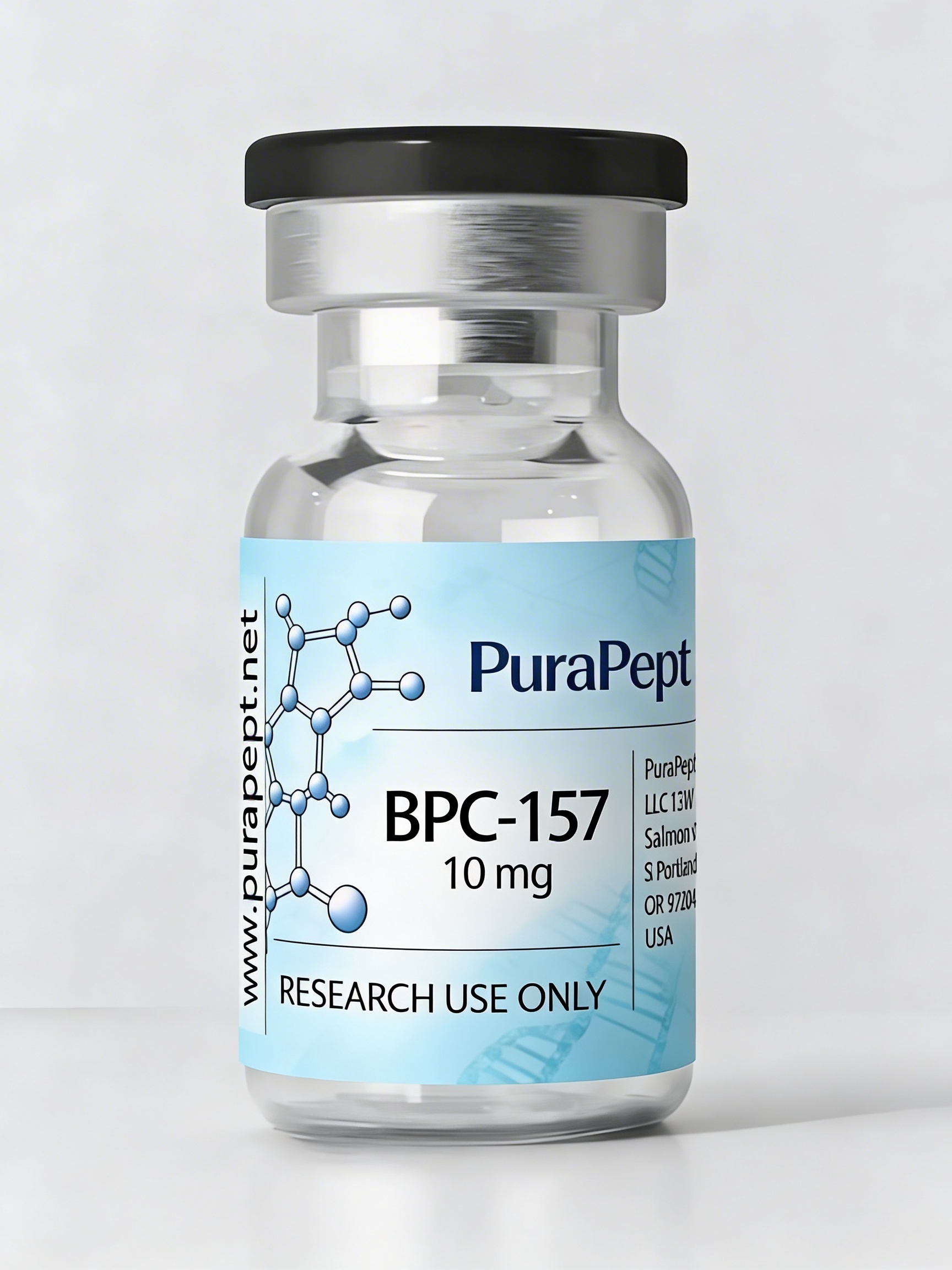
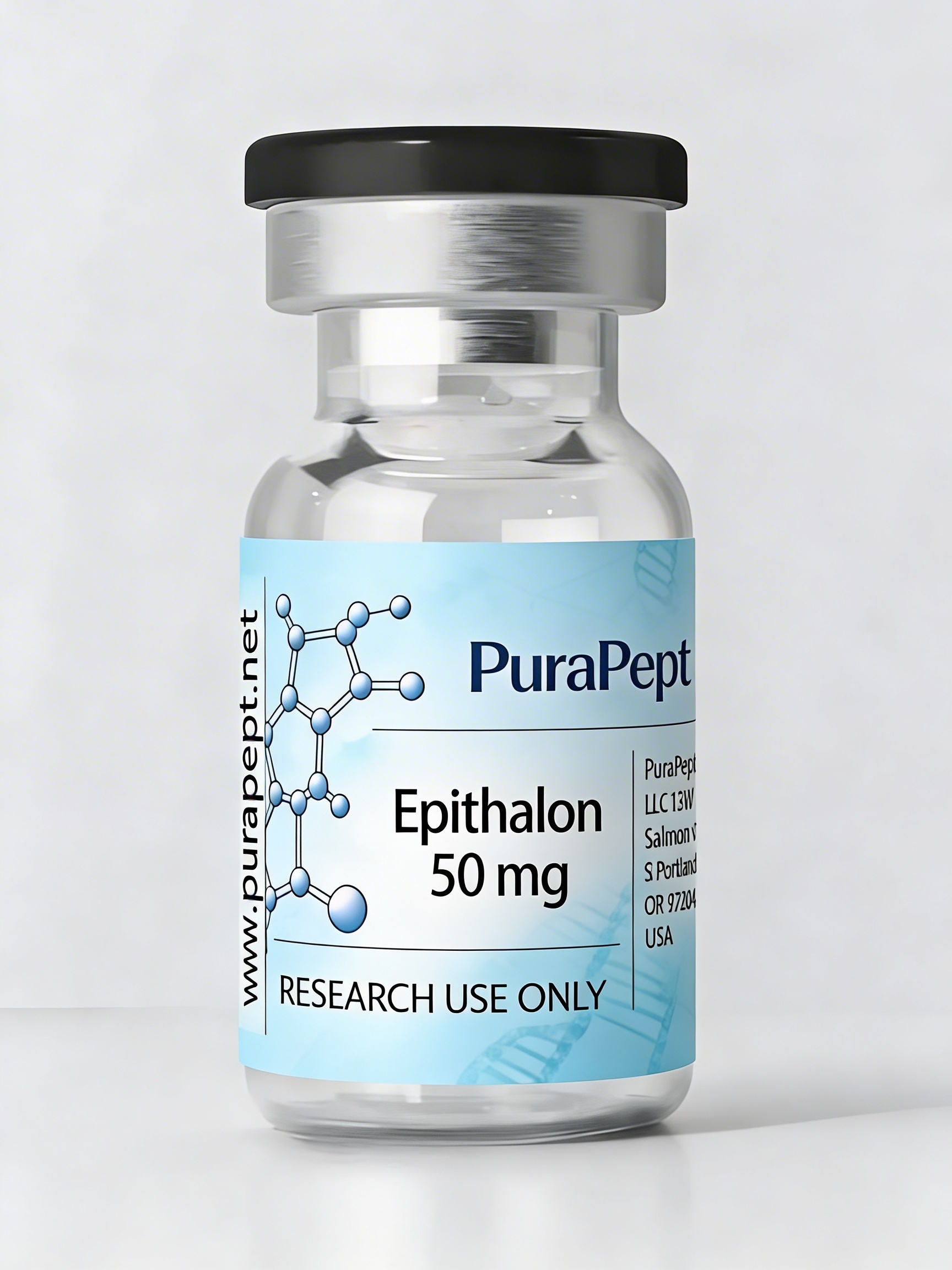
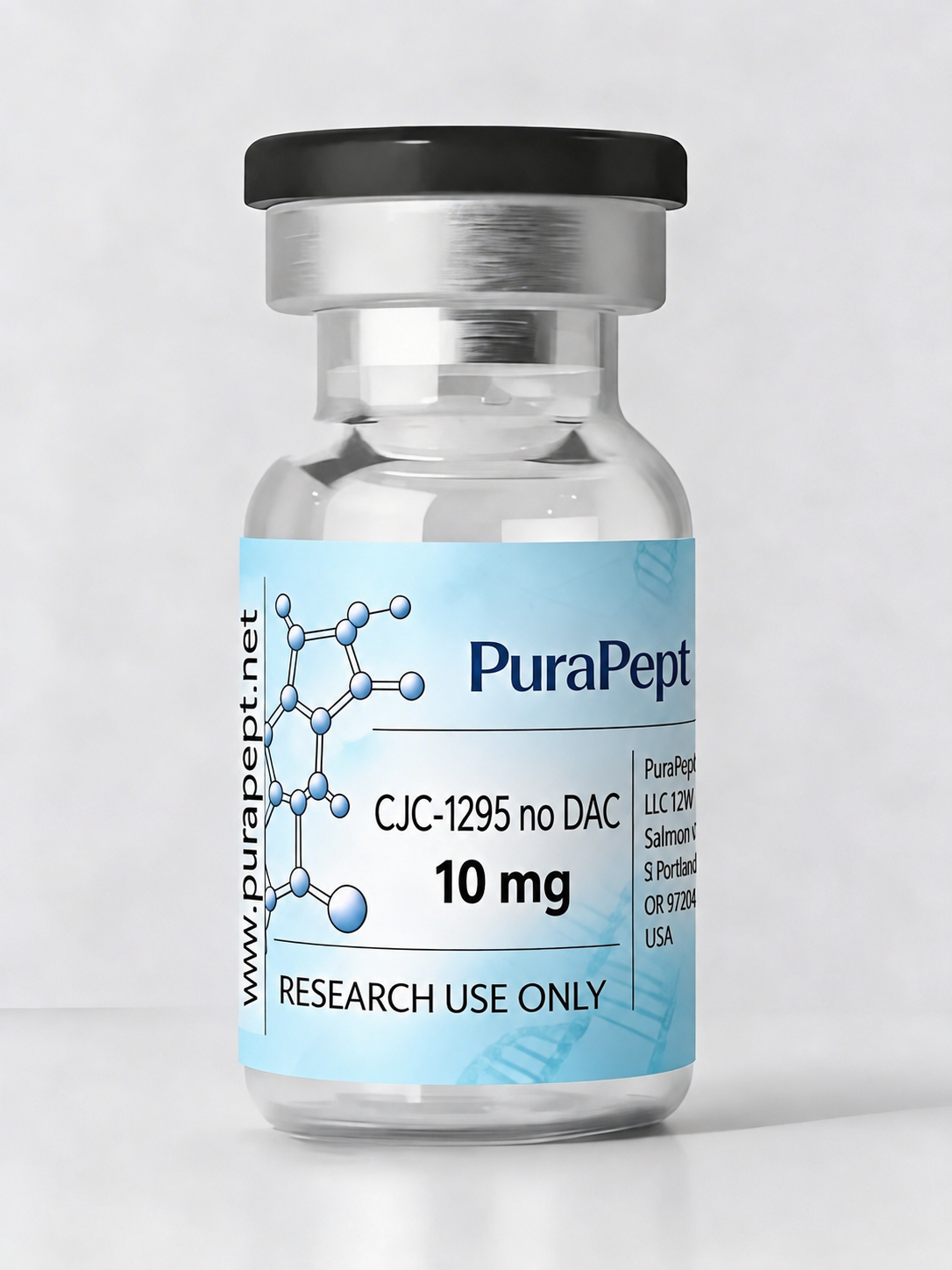
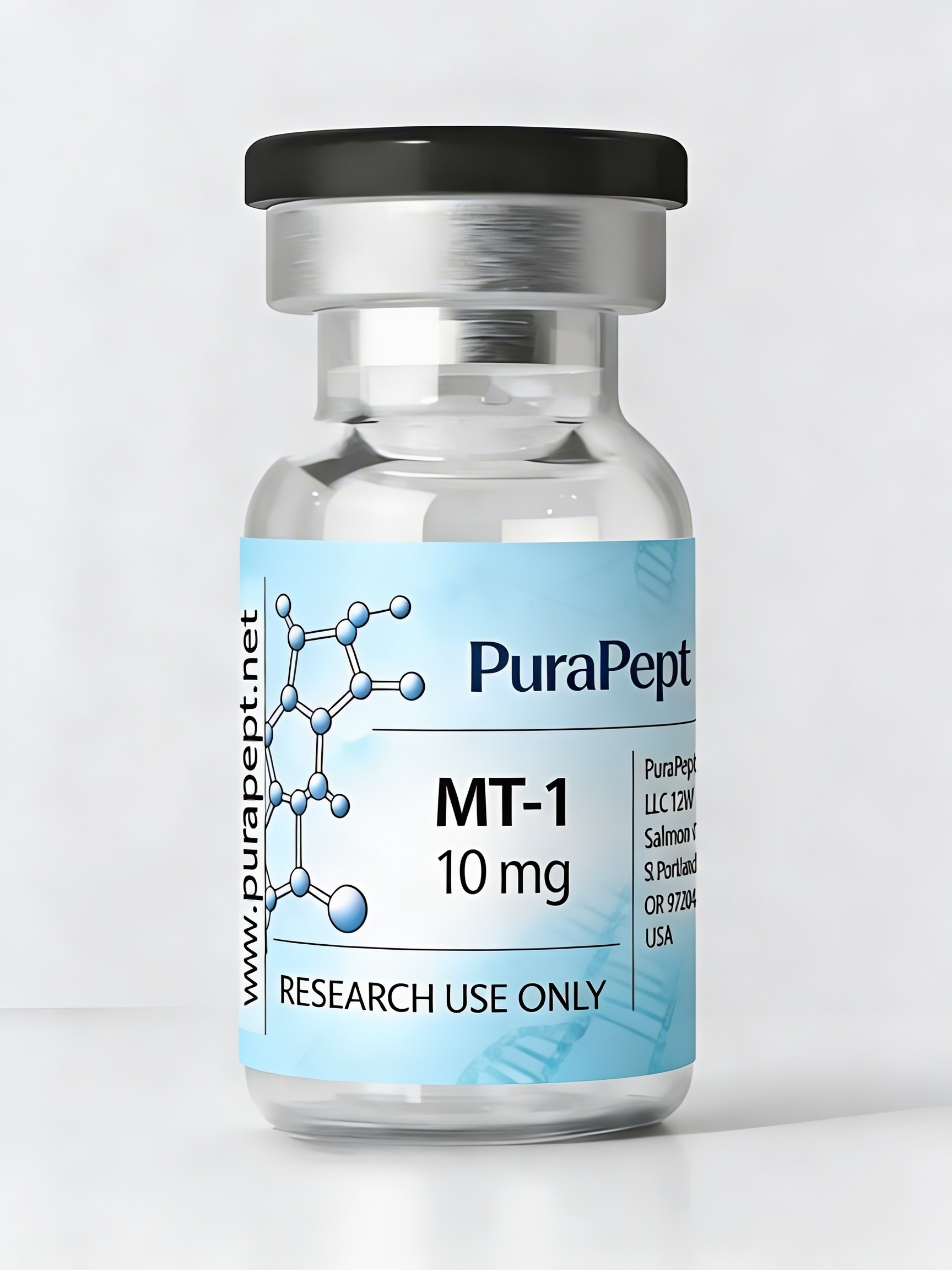
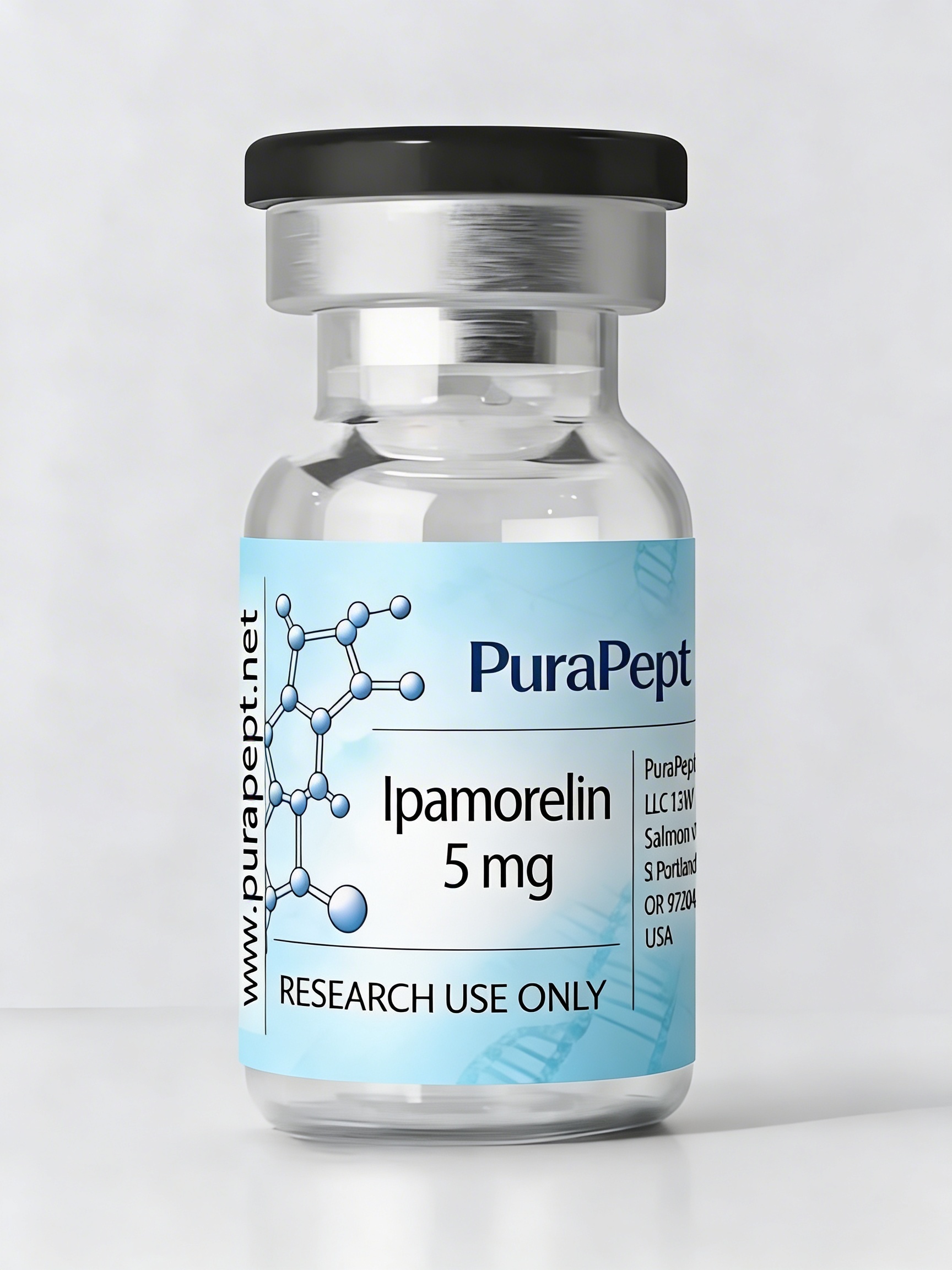
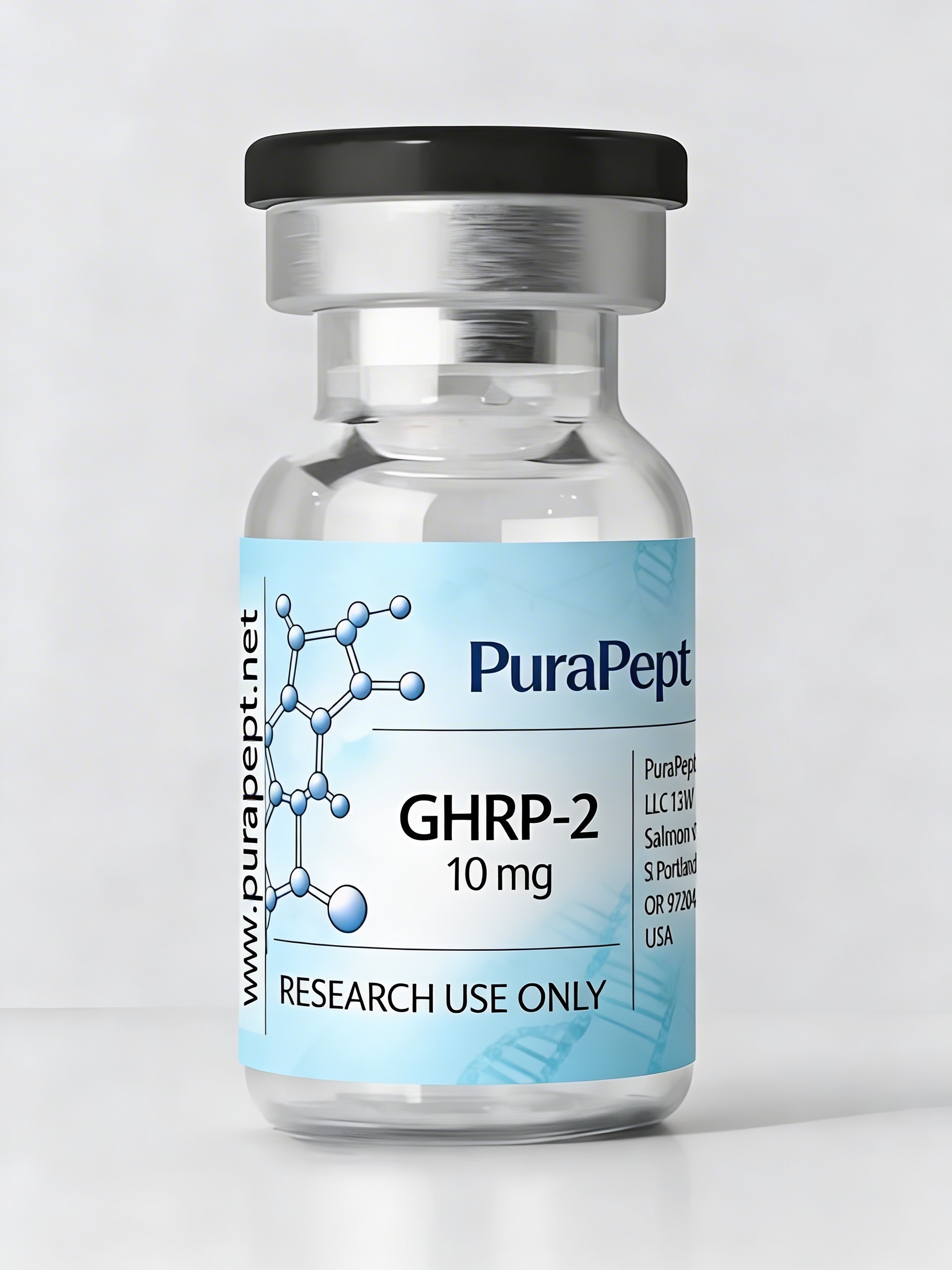
Inside, the vial arrives in the supplier’s own sealed packaging, exactly as it reaches us. We resell; we do not repack, relabel or synthesise. That is why the vial carries the maker’s label and no other, and it is why the vial’s own label is the only place the compound and the amount are stated. A YOUNGLAB card travels with it: compound, bench, presentation and reference on one side, handling and storage on the other. Where a maker publishes a report for the batch, that report ships in the box with the vial.
What is not in the box: a certificate of analysis for any line the maker has not assayed, a dosing protocol, and any claim about purity that nobody measured.
A plain box is normal here, and it proves nothing
It is worth being clear about why the packaging looks the way it does, because the honest answer is regulatory rather than reassuring. From 9 February 2019, under EU Regulation No 2016/161 implementing the Falsified Medicines Directive 2011/62/EU, a prescription medicine may only be released into circulation carrying two safety features — a unique product identifier and an anti-tampering device — and pharmacies may only dispense it after successful authentication through a national verification system. A research vial is not a prescription medicine. It has none of that, and it is not a downgraded version of a licensed pack.
That cuts both ways, and both directions matter. A plain box on this shelf is expected. It is equally not a sign that anything has been checked on the way to you, and the European evidence on why is not subtle: a 2023 analysis of how falsified medicines reached patients in Romania — 131 documents reviewed, 22 key informants interviewed — traced the route back to medicine shortages pushing people out of the regulated supply and into unregulated markets, and concluded that safeguarding the regulated chain alone is not enough. In the other direction, a 2012 assessment of the counterfeit problem in the UK noted that pilot product-verification programmes in Europe did prevent counterfeit penetration of the legitimate supply chain, which is the mechanism the 2016/161 identifiers are.
So the checks that are worth doing are the physical ones, and there are only a few. Read the customs declaration before opening. Look at the vial: intact crimp, cap not pierced, label legible, compound and amount matching the order. Compare the lot number on a batch report, if one is in the box, against the lot number on the vial. If the lot numbers do not match, you are reading a true document about a different batch.
Storage, and the part that is not an estimate
Nothing on this bench travels refrigerated and nothing needs to. The suppliers’ own printed instructions for their goods are: lyophilised vials at room temperature in transit, out of direct sunlight, never frozen, and longer term in a cool dry place or the fridge once reconstituted; water and solvents at 15–30 °C, away from light and moisture, sealed until use. Which is why a parcel sitting in a hallway for a day is not a problem, and neither is the time it spends with the carrier. Once a vial is opened or reconstituted, follow what that vial’s own page prints.
Returning something
Fourteen days from delivery, and only three routes.
Unopened, seals intact — a return within 14 days at your postage cost. The delivery fee is not refunded, because the delivery happened. Damaged in transit — photograph the box and the contents before you unpack any further, send the pictures with the order number, and it is replaced or refunded. Fault — tell us within 14 days of delivery and we replace or refund, our choice of the two.
What does not come back is anything opened, reconstituted, or with a broken seal. That is not a shop rule for its own sake: once a vial has left our control and been opened, nobody can establish what is in it or how it was kept, and we will not pass it to somebody else. Every serious supplier of research material draws the same line, and it is why the European right of withdrawal does not reach sealed goods that have been unsealed.
What we publish, and what we do not
We publish the supplier’s own product text and storage statements verbatim on every vial page, and our own terms in full — the €20 flat fee, European Union only, the 14-day conditions, the storage instructions, what is in the box. We do not publish an assay, a purity figure, an endotoxin result, a shelf life or a reconstitution window for any vial, and we do not present a supplier’s handling instruction as though it were a measured result. Send your order number and we request the batch paperwork from the supplier for the batch that actually shipped.
If the question behind this page is whether a number on a product page was measured, how a purity report is read and how peptide purity is measured are the two articles that answer it. If it is whether the vial needs a cold chain, storage and handling is where the stability literature is separated from the supplier’s advice. And if it is what a solvent’s paperwork would or would not settle, that is the subject of the storage hub above and of nothing we can answer with a number.
We write no dosing protocols, we cannot promise a result, and nothing on this page is medical advice.
⚠ Everything leaving this bench is supplied strictly for in-vitro laboratory research. Not for human or veterinary use — no exceptions.
What arrives, what to do with it, and what it does not settle
| What | What arrives | What to do with it in the first minute | What it does not settle | What it means for you |
|---|---|---|---|---|
| An unmarked outer box with a neutral sender line | Check that nothing on the outside is printed, and that the sender line carries no compound, no supplier and no shop name. Read the customs declaration against what you ordered | A declared value or description that does not match your order is a parcel to photograph before opening and a question to ask before using anything in it. It is not the same problem as a plain box | Plain packaging is not evidence of anything. A plain box is what discretion is, and it is also what a seller with nothing to hide and a seller with a lot to hide both send | The box is deliberately uninformative. What is on the label area is the part worth checking, and the inside is what the rest of this page is about. |
| The vial, in the supplier's own sealed packaging | Look at the vial before you touch the stopper: intact crimp seal, rubber cap not pierced, label legible and matching the compound and the amount you ordered | Nothing about where this vial was made, whether the material was assayed, or whether the lot in it is the lot a report would describe | We resell and we do not repack, relabel or synthesise. What reaches you is the packaging the supplier sealed, which is why the vial's own label is the only label you get | The seal is the one thing on the outside that carries information. A pierced cap or a lifted crimp is a stop, not a question. |
| A YOUNGLAB card with the vial | Compound, bench, presentation and reference on one side, handling and storage on the other. Check the compound and the amount against what you ordered before anything else | The card is ours. It is not a certificate, it is not a laboratory document, and nothing on it is a measured value | It is a reference card, not a certificate of analysis. The two are confused often enough that the difference is set out on the hub a page away | The card tells you what you hold and what the supplier says to do with it. It tells you nothing about how pure it is. |
| Reconstitution water or solvent, if the order included it | Check the container is sealed and the liquid is clear. Where a solvent is supplied it travels at 15–30 °C, away from light and moisture, sealed until use | Nothing about whether the water is sterile in the sense a hospital means, or whether it was tested for endotoxin. The endotoxin assay is a separate piece of work and it is described separately | A clear solution in an intact container is a condition check, not a quality one. Solvents are the easiest component on this bench for a seller to get right and one of the easiest to counterfeit | Check the seal and the clarity, then store it the way the card says. Both suppliers on this bench state room temperature for their solvents, and both are consistent about light and moisture. |
| A batch report, only where the maker publishes one for that batch | If a report is in the box, read the laboratory, the lot number and the analysis date before the values. Then compare the lot number on the report with the lot number on the vial | That the report is about your parcel. It covers the batch printed on it, which is not automatically the batch in your hand | We do not publish an assay, a purity figure, a residual-solvent result or a mass balance for any vial ourselves, and we will not print a number we cannot trace to a document | The report is real but narrow, and the lot-number comparison is the whole of it. Send your order number and we request the paperwork for the batch that actually shipped. |
| A tracking number in the email as the parcel leaves | Keep the email thread. If tracking has not moved for three working days, write to us and we chase the carrier rather than leaving it to you | How long a parcel spends in the carrier's network. Most parcels from this bench arrive within about four days of dispatch, and that figure is an estimate rather than a promise | Nothing about the contents or the condition of the vial at any point before you open it. Transit time and transit damage are separate questions | Tracking is for the delay case, not the insurance case. A stalled tracking number is a reason to write; a broken vial is a reason to photograph. |
Questions this page answers.
What exactly is in the box?
The vial in the supplier's own sealed packaging, a YOUNGLAB card describing the compound and its handling, and — where your order included it — the water or solvent that goes with it. Where a maker publishes a report for the batch, that report ships in the box with the vial. What is not in the box is a dosing protocol, a certificate of analysis for a line the maker has not assayed, and anything printed on the outside. We resell; we do not repack, relabel or synthesise.
Is a plain, unmarked box a warning sign?
No, and the reason is regulatory rather than reassuring. From 9 February 2019, and under EU Regulation No 2016/161 which implements the Falsified Medicines Directive 2011/62/EU, a prescription medicine may only be released into circulation carrying two safety features — a unique product identifier and an anti-tampering device — and pharmacies authenticate it through a national verification system before dispensing. A research vial is not a prescription medicine, so it carries neither, and its box is not a version of a licensed pack. That cuts both ways: a plain box on this shelf is normal, and it is equally not a sign that anything has been checked.
How long does delivery take, and what happens if it is late?
Orders that clear payment during a working day are picked and packed the same day; anything placed across a weekend or a public holiday leaves on the next working day. Most parcels arrive within about four days of dispatch, tracked, inside the European Union. That is the usual door-to-door figure rather than a promise, and a carrier delay, a customs check or a mistyped address can add a day or two. Nothing travels refrigerated and nothing on this bench needs to. We ship inside the European Union and nowhere else, and the delivery fee is one flat charge per order — €20 — that does not move with the number of vials, the weight or the destination.
Can I return a vial once I have opened it?
No. An opened or reconstituted vial cannot come back, and that line is the same one every serious supplier of research material draws: once a vial has left our control and been opened, nobody can establish what is in it or how it was kept, and we will not pass it to somebody else. An unopened order with the seals intact can return within 14 days of delivery, at your postage cost, and the delivery fee is not refunded then because the delivery took place. If a vial arrives damaged, photograph the box and the contents before you unpack any further and send the pictures with the order number — transit damage is replaced or refunded. There is also a fault route on the same 14 days, where we replace or refund at our choice.
What does this shop publish, and what does it not?
We publish the supplier's own product text and storage statements verbatim on each vial's page, and the store's own terms in full: the flat €20 fee, the European Union only, the 14-day return conditions, the storage instructions. We do not publish an assay, a purity figure, an endotoxin result, a shelf life or a reconstitution window for any vial, and we do not present a supplier's handling instruction as a measured result. A stable, traceable product in this category is one with a named compound, an intact seal, a stated storage instruction and paperwork on request for the batch that actually shipped.
Where this comes from.
- Bergen M, Hoferichter R. securPharm e. V. — a protective shield against falsified medicines. Bundesgesundheitsblatt Gesundheitsforschung Gesundheitsschutz 2017;60(11):1255-1260. (PMID 28929207) — describes the Falsified Medicines Directive 2011/62/EU and, under EU Regulation No 2016/161, the rule that from 9 February 2019 manufacturers may only release prescription medicines bearing two safety features into circulation and pharmacies may only dispense them after successful authentication through a national medicines verification system.
- Nistor AL, Pisani E, Kok MO. Why falsified medicines reach patients: an analysis of political and economic factors in Romania. BMJ Glob Health 2023;6(Suppl 3):e009918. (PMID 36731920) — a review of 131 documents and 22 key-informant interviews showing that medicine shortages after EU accession pushed patients toward unregulated markets with a high risk of exposure to falsified medicine, and that safeguards focused only on the regulated supply are insufficient.
- Jackson G, Patel S, Khan S. Assessing the problem of counterfeit medications in the United Kingdom. Int J Clin Pract 2012;66(3):241-50. (PMID 22070229) — the Internet provides a common route for counterfeiters; medicines bought through unverified internet sites often lack the purported compound or carry variable concentrations of active ingredient, and pilot programmes in Europe have demonstrated that product verification systems prevent counterfeit penetration of the legitimate supply chain.
- Regulation (EU) No 536/2014 on clinical trials on medicinal products for human use, Article 2(1) — applies by reference the definition of "medicinal product" in Article 1(2)(b) of Directive 2001/83/EC, and defines an investigational medicinal product in Article 2(1)(5) as a medicinal product being tested or used as a reference in a clinical trial. The category exists inside an authorisation framework, which is why a research vial arrives with the maker's packaging and not with a licensed pack. EUR-Lex.
- Directive 2011/62/EU as regards the prevention of the entry into the supply chain of medicinal products which are falsified in intent or presentation and of the distribution of those products — the Falsified Medicines Directive. EUR-Lex.
- Commission Implementing Regulation (EU) 2016/161 laying down detailed rules for the serialisation of medicinal products and the operation of national repositories — the safety features referenced in Directive 2011/62/EU. EUR-Lex.
- EudraLex — European Union good manufacturing practice for medicinal products for human and veterinary use, including Annex 13 on the manufacture of investigational medicinal products. The standard the licensed supply chain works to, and therefore a fair picture of the batch paperwork a research vial does not have. European Commission.