Sleep loss and the growth hormone axis
Cutting sleep measurably suppresses growth hormone output in people, and none of the three sleep peptides in this catalogue has been shown in a human trial to change it.
4 October 2026 · 6 min read
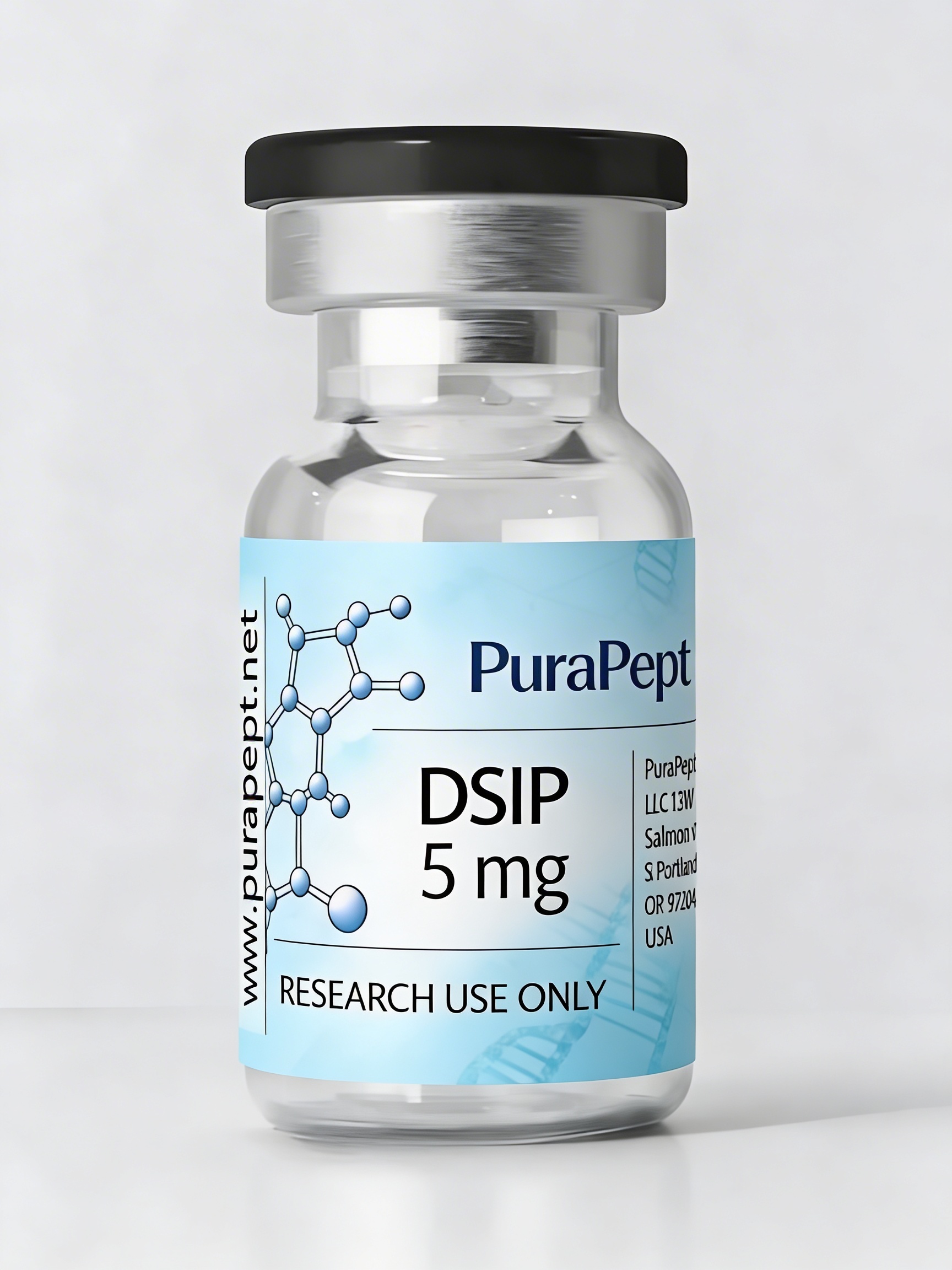 DSIP 5 mg
Sleep is the one input to the growth hormone axis that needs no product. It is also the only input actually measured, and its measurements are older and more mixed than the marketing for the catalogue’s three sleep lines — DSIP, melatonin, epithalon — implies.
Sleep is the largest acute input to the GH axis, and it is measurable
During slow wave sleep the anabolic hormone GH is released while cortisol is held down (Van Cauter et al., PMID 18929315).
What happens when sleep is removed has been measured repeatedly in humans. In a double-blind trial in eight healthy young men, 36 hours of sleep deprivation cut GH secretion “dramatically” against their own control night, while the number of secretory episodes was unchanged (Brun et al., PMID 9682182). In 48 normal adults aged 19 to 67, 40 hours of deprivation then a recovery night showed no baseline-to-recovery GH difference after placebo; the measurable GH change there came from administering growth hormone-releasing hormone, not from the night (Schüssler et al., PMID 16912060). And the most extreme protocol published — a 20-minute sleep opportunity every four hours, two hours of sleep per day — abolished human GH release by more than 95 % (Rosenblum et al., PMID 38124288). All but one of ten participants abandoned that schedule in the first month; the figure comes from the one man who completed five of eight planned weeks.
Age changes how much is lost. In 32 men aged 20 to 34, sleepers averaged a nocturnal GH peak of 19.9 µg/l (SD 8.4) against 10.5 µg/l (SD 10.0) deprived, and every sleep-deprived man whose peak still exceeded 7 µg/l was 24 or younger (Mullington et al., PMID 8875441).
Two results get flattened into “sleep builds GH”; both are more specific. Six nights of extended sleep before 24 hours of deprivation raised free IGF-I at all three sampling points (p < 0.001) and total IGF-I at baseline and during deprivation (p < 0.05) in 14 young men in a randomised crossover, with no effect on GH, IGFBP-3, BDNF, insulin or glucose (Chennaoui et al., PMID 27560704). In 19 healthy men restricted to 4.5 hours in bed for four nights, the metabolic change came not from less GH but from longer nocturnal GH exposure and higher early-morning noradrenaline, raising free fatty acids and lowering insulin sensitivity (Broussard et al., PMID 25702040). Sleep loss reshapes the axis; it does not switch it off.
Melatonin moves the axis in one direction and not the other
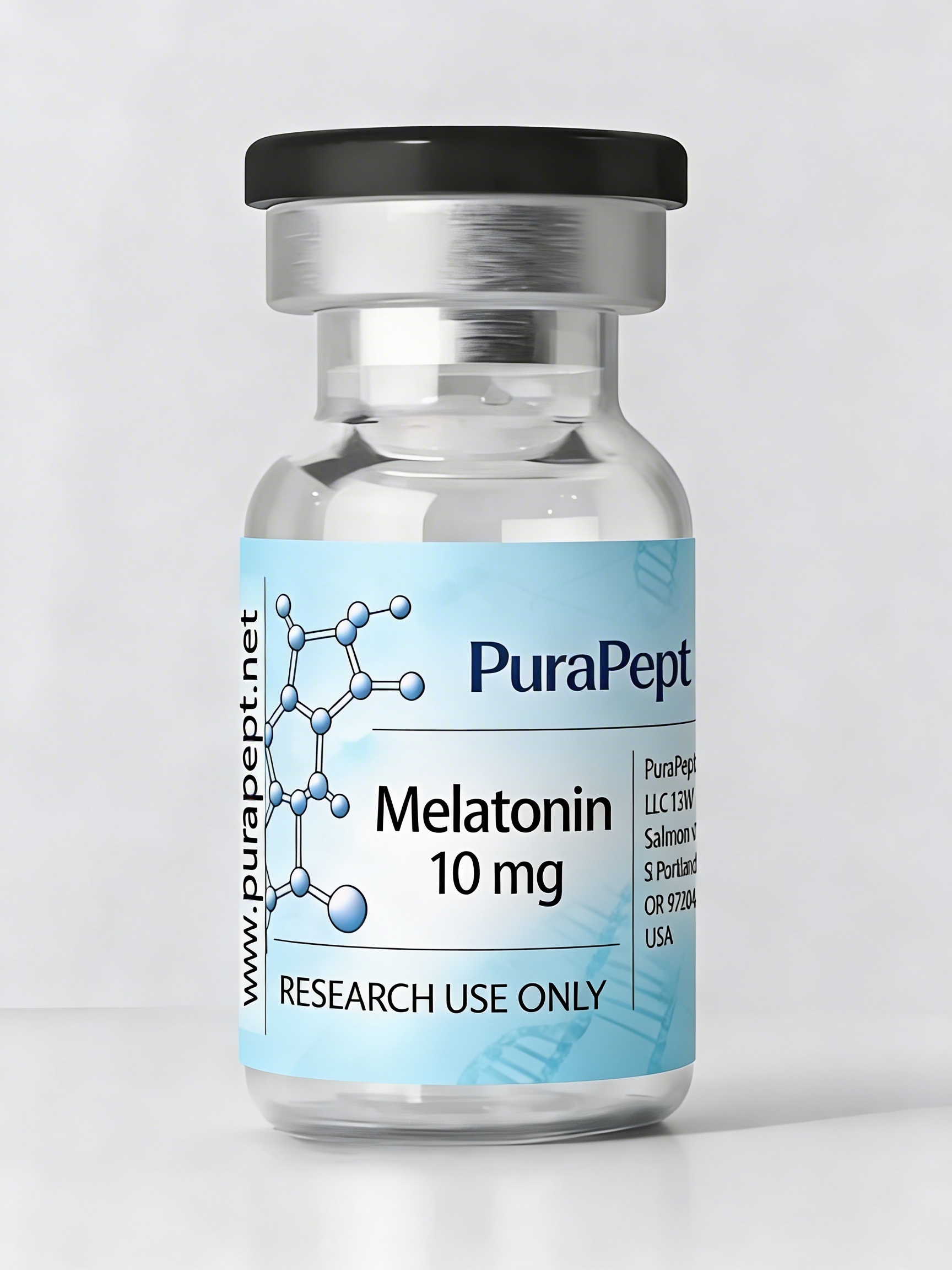
Melatonin is the one molecule here with real human GH data, and the data pull both ways. In a double-blind randomised crossover in eight healthy men averaging 21 years, melatonin at 0.5 mg and 5.0 mg during daylight stimulated GH release, with no significant effect on prolactin or cortisol (Forsling et al., PMID 10594526). Suppressing it the other way also moved GH: in a randomised trial in ten men aged 21 to 33, bright light between 20:00 and 02:00 delayed the nocturnal melatonin peak by two hours, decreased cortisol, and lowered GH levels — which then showed a significantly greater nocturnal increase, so that result does not mirror the melatonin one (Kostoglou-Athanassiou et al., PMID 9509071).
The clinically relevant question is whether melatonin improves sleep, and the record is weaker than the reputation. A 2022 systematic review and meta-analysis pooled 24 randomised trials of chronic insomnia against placebo: in adults without comorbid insomnia, melatonin was not significantly effective for sleep onset latency, total sleep time, or sleep efficiency. Significance appeared only in children and adolescents, and in comorbid insomnia for sleep onset latency — where the adult subgroup rests on one study (Choi et al., PMID 36179487). That GH effect came from melatonin given during daylight to eight men, and has never been shown to survive into a sleep outcome.
DSIP: the GH link is a rat result, and the human trial found nothing
This runs against the product name. DSIP earned its name from rat slow wave sleep, and its GH literature is also rat literature. Intraventricular DSIP at 5 µg raised GH in conscious ovariectomised rats, significantly by 30 minutes, in a graded rise from 0.1 µg to 10 µg, blocked by the dopamine antagonist pimozide (Iyer and McCann, PMID 3575154). In sleep-deprived male rats, both the rebound in slow wave sleep and in plasma GH were blocked by a highly specific antiserum to DSIP (Iyer et al., PMID 3368469).
Then the human trial. Eight healthy women with normal cycles, 17 to 36 years, received 25 µg/kg of DSIP intravenously over 30 minutes, alone and with arginine, nocturnal GH and prolactin rhythms tracked against placebo. Serum GH and prolactin showed no effect after DSIP, neither circadian rhythm was modified, and DSIP did not alter GH or prolactin responsiveness to arginine. The authors conclude that at dosages “known to modify ECG patterns”, DSIP “is unable to modify spontaneous or arginine chlorhydrate-induced GH and PRL secretion” (Giusti et al., PMID 8475226). A negative human result on a positive animal finding is the finding.
The human sleep-EEG record for DSIP is old, small and split. In six normal volunteers in a double-blind crossover, 25 nmol/kg as a slow morning intravenous infusion was followed by a reported 59 % increase in median total sleep time within 130 minutes — and no sedation in the classic pharmacological sense (Schneider-Helmert et al., PMID 6895513). In 16 chronic insomnia patients in a double-blind matched-pairs design over five laboratory nights, DSIP at 25 nmol/kg gave higher sleep efficiency and shorter sleep latency than placebo, but the authors judged the significant effects weak and possibly an artifact of a change in the placebo group; no other measure, including subjective sleep quality, moved, and they concluded short-term DSIP for chronic insomnia was “not likely to be of major therapeutic benefit” (Bes et al., PMID 1299794). In 24 female surgical patients — 12 randomised to DSIP at 25, 50 or 100 nmol/kg, 12 to saline — the 25 nmol/kg arm under isoflurane ran the other way: heart rate up, variability down, delta rhythm and burst suppression reduced, bispectral index raised (Pomfrett et al., PMID 19142086).
Epithalon and the sleep axis is animal work
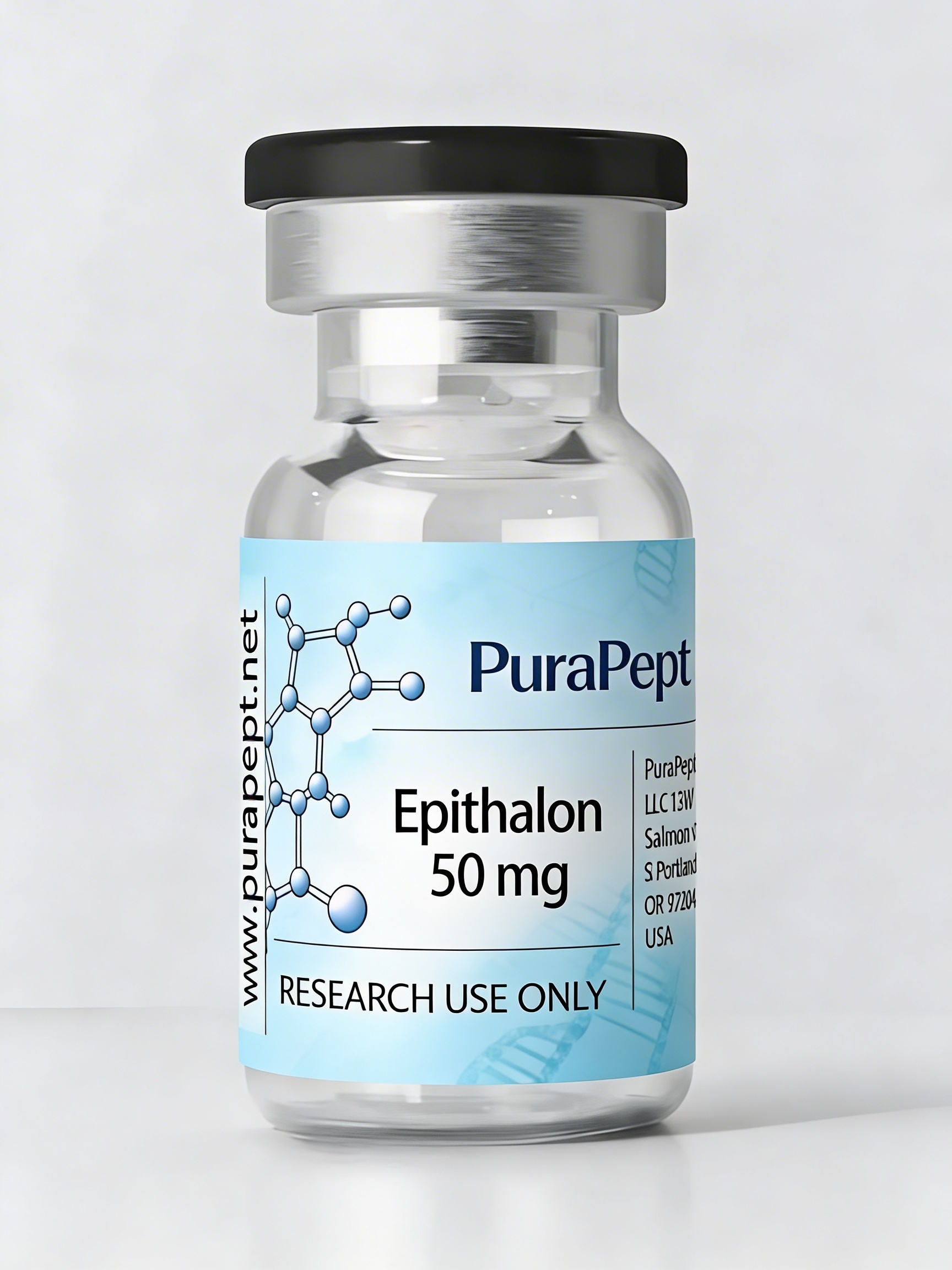
Epithalon is described in the recent overview literature as the tetrapeptide Ala-Glu-Asp-Gly, synthesised from the amino acid composition of a bovine pineal extract (Araj et al., PMID 40141333). Its circadian record has the same shape: in old female rhesus monkeys, epithalon stimulated evening melatonin and normalised circadian cortisol rhythms (Goncharova et al., PMID 11550036). Monkeys are not people with insomnia, and that study measured melatonin and cortisol, not GH.
What a proper absence search returns
Every count here was run on PubMed on 4 October 2026, terms tagged to title and abstract. "delta sleep-inducing peptide" AND growth hormone returns ten records: four reviews, two rat experiments, one human observational study of plasma DSIP-like immunoreactivity falling at sleep onset in seven men (Seifritz et al., PMID 8745061), the 1993 human administration trial above, and two reports that mention it without testing it. Narrowing that pair to the randomized or clinical trial publication types returns one record — 8475226, the study that found no effect. epithalon AND (circadian OR sleep duration OR polysomnograph*) returns seven: two reviews and five animal experiments. epithalon AND (growth hormone OR somatotropin OR IGF-1) returns one — an orthopaedics review that tests nothing and does not put epithalon among the secretagogues, naming five other secretagogues in that role instead; the record matches on that review’s IGF-1 sentence (Rahman et al., PMID 41490200).
Ten records on DSIP and growth hormone, one a trial, and that trial is the null one.
What the data do not show
No human trial here measured whether these three compounds raise growth hormone; this page does not claim they do. It does not carry the rat DSIP result across to people, where the one human GH trial found no effect, nor read the six-volunteer DSIP sleep increase as therapeutic.
What the evidence supports is narrower: sleep is a large, acute, age-dependent input into the axis, and the metabolic effect downstream runs through the timing and duration of nocturnal GH exposure. None of the catalogue’s three sleep lines was tested against it in people.
Sourcing note
Internal links for the SEO Specialist to confirm: the GHRP-6 and ipamorelin page, and the growth hormone in older adults page.
Research use only. This page describes published human and animal literature. It is not medical advice, not a treatment recommendation, and not a suggestion for human use. Nothing we supply is for human or veterinary use.
References.
- Van Cauter E, Spiegel K, Tasali E, Leproult R. Metabolic consequences of sleep and sleep loss. Sleep Med 2008;9 Suppl 1(0 1):S23-8. PubMed record (PMID 18929315).
- Brun J, Chamba G, Khalfallah Y, Girard P, Boissy I, Bastuji H, et al. Effect of modafinil on plasma melatonin, cortisol and growth hormone rhythms, rectal temperature and performance in healthy subjects during a 36 h sleep deprivation. J Sleep Res 1998;7(2):105-14. PubMed record (PMID 9682182).
- Schüssler P, Yassouridis A, Uhr M, Kluge M, Weikel J, Holsboer F, et al. Growth hormone-releasing hormone and corticotropin-releasing hormone enhance non-rapid-eye-movement sleep after sleep deprivation. Am J Physiol Endocrinol Metab 2006;291(3):E549-56. PubMed record (PMID 16912060).
- Rosenblum Y, Weber FD, Rak M, Zavecz Z, Kunath N, Breitenstein B, et al. Sustained polyphasic sleep restriction abolishes human growth hormone release. Sleep 2024;47(2):zsad321. PubMed record (PMID 38124288).
- Mullington J, Hermann D, Holsboer F, Pollmächer T. Age-dependent suppression of nocturnal growth hormone levels during sleep deprivation. Neuroendocrinology 1996;64(3):233-41. PubMed record (PMID 8875441).
- Chennaoui M, Arnal PJ, Drogou C, Sauvet F, Gomez-Merino D. Sleep extension increases IGF-I concentrations before and during sleep deprivation in healthy young men. Appl Physiol Nutr Metab 2016;41(9):963-70. PubMed record (PMID 27560704).
- Broussard JL, Chapotot F, Abraham V, Day A, Delebecque F, Whitmore HR, et al. Sleep restriction increases free fatty acids in healthy men. Diabetologia 2015;58(4):791-8. PubMed record (PMID 25702040).
- Forsling ML, Wheeler MJ, Williams AJ. The effect of melatonin administration on pituitary hormone secretion in man. Clin Endocrinol (Oxf) 1999;51(5):637-42. PubMed record (PMID 10594526).
- Kostoglou-Athanassiou I, Treacher DF, Wheeler MJ, Forsling ML. Bright light exposure and pituitary hormone secretion. Clin Endocrinol (Oxf) 1998;48(1):73-9. PubMed record (PMID 9509071).
- Choi K, Lee YJ, Park S, Je NK, Suh HS. Efficacy of melatonin for chronic insomnia: Systematic reviews and meta-analyses. Sleep Med Rev 2022;66:101692. PubMed record (PMID 36179487).
- Iyer KS, McCann SM. Delta sleep-inducing peptide (DSIP) stimulates growth hormone (GH) release in the rat by hypothalamic and pituitary actions. Peptides 1987;8(1):45-8. PubMed record (PMID 3575154).
- Iyer KS, Marks GA, Kastin AJ, McCann SM. Evidence for a role of delta sleep-inducing peptide in slow-wave sleep and sleep-related growth hormone release in the rat. Proc Natl Acad Sci U S A 1988;85(10):3653-6. PubMed record (PMID 3368469).
- Giusti M, Carraro A, Porcella E, Valenti S, Nicora D, Sessarego P, et al. Delta sleep-inducing peptide administration does not influence growth hormone and prolactin secretion in normal women. Psychoneuroendocrinology 1993;18(1):79-84. PubMed record (PMID 8475226).
- Bes F, Hofman W, Schuur J, Van Boxtel C. Effects of delta sleep-inducing peptide on sleep of chronic insomniac patients. A double-blind study. Neuropsychobiology 1992;26(4):193-7. PubMed record (PMID 1299794).
- Schneider-Helmert D, Gnirss F, Monnier M, Schenker J, Schoenenberger GA. Acute and delayed effects of DSIP (delta sleep-inducing peptide) on human sleep behavior. Int J Clin Pharmacol Ther Toxicol 1981;19(8):341-5. PubMed record (PMID 6895513).
- Pomfrett CJ, Dolling S, Anders NR, Glover DG, Bryan A, Pollard BJ. Delta sleep-inducing peptide alters bispectral index, the electroencephalogram and heart rate variability when used as an adjunct to isoflurane anaesthesia. Eur J Anaesthesiol 2009;26(2):128-34. PubMed record (PMID 19142086).
- Seifritz E, Müller MJ, Schönenberger GA, Trachsel L, Hemmeter U, Hatzinger M, et al. Human plasma DSIP decreases at the initiation of sleep at different circadian times. Peptides 1995;16(8):1475-81. PubMed record (PMID 8745061).
- Araj SK, Brzezik J, Mądra-Gackowska K, Szeleszczuk Ł. Overview of Epitalon-Highly Bioactive Pineal Tetrapeptide with Promising Properties. Int J Mol Sci 2025;26(6):2691. PubMed record (PMID 40141333).
- Goncharova ND, Khavinson BK, Lapin BA. Regulatory effect of Epithalon on production of melatonin and cortisol in old monkeys. Bull Exp Biol Med 2001;131(4):394-6. PubMed record (PMID 11550036).
- Rahman OF, Lee SJ, Seeds WA. Therapeutic Peptides in Orthopaedics: Applications, Challenges, and Future Directions. J Am Acad Orthop Surg Glob Res Rev 2026;10(1):e25.00236. PubMed record (PMID 41490200).