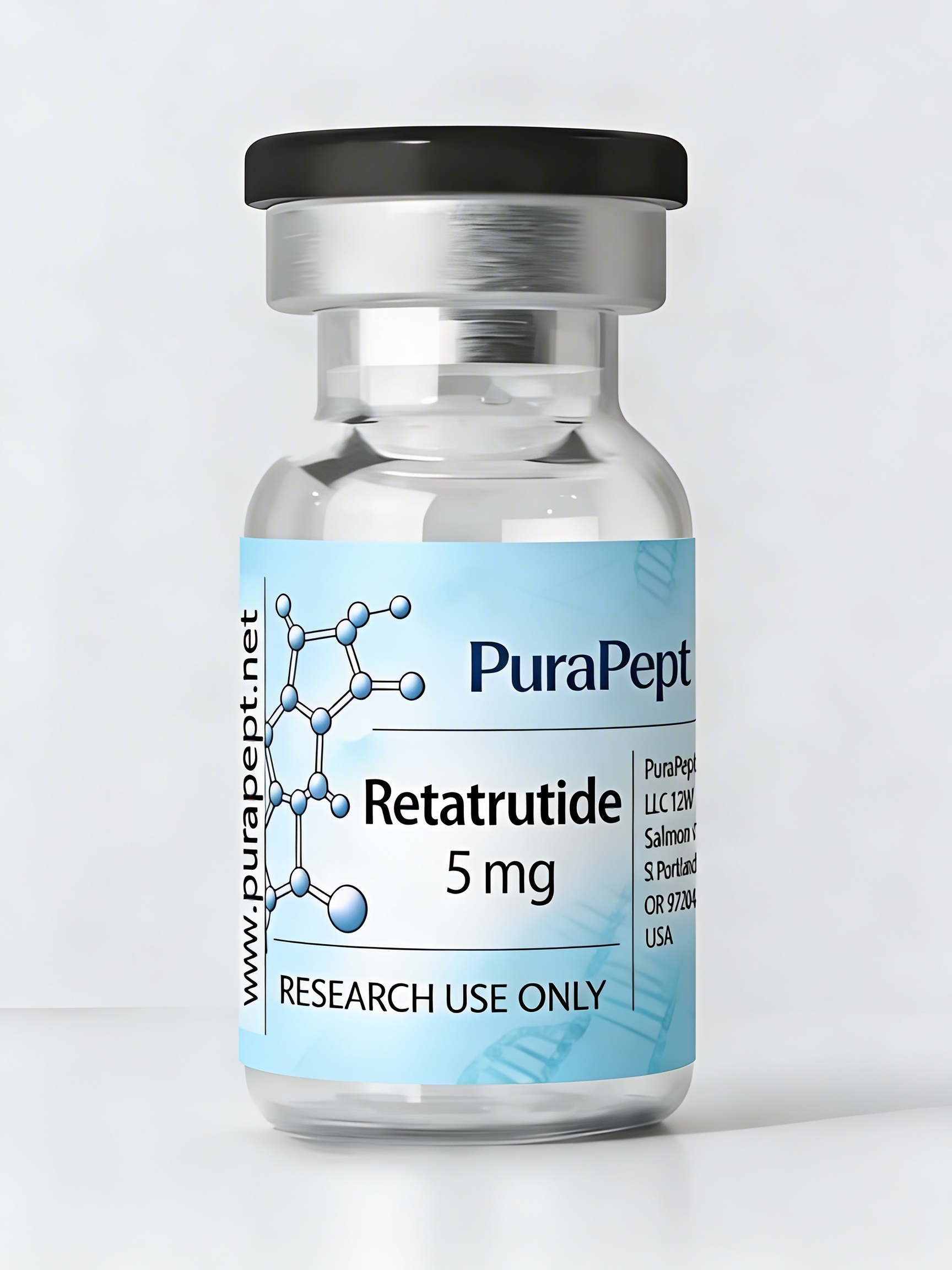
Endotoxin and the solvent: what the assay measures
Purity testing tells you what is in a vial; it does not tell you whether the vial is pyrogen-free. Endotoxin is detected by a horseshoe-crab cascade or its recombinant replacement, and it is the one quality parameter that can make a pure peptide unusable. Here is how the test works and what it cannot see.
5 November 2026 · 4 min read
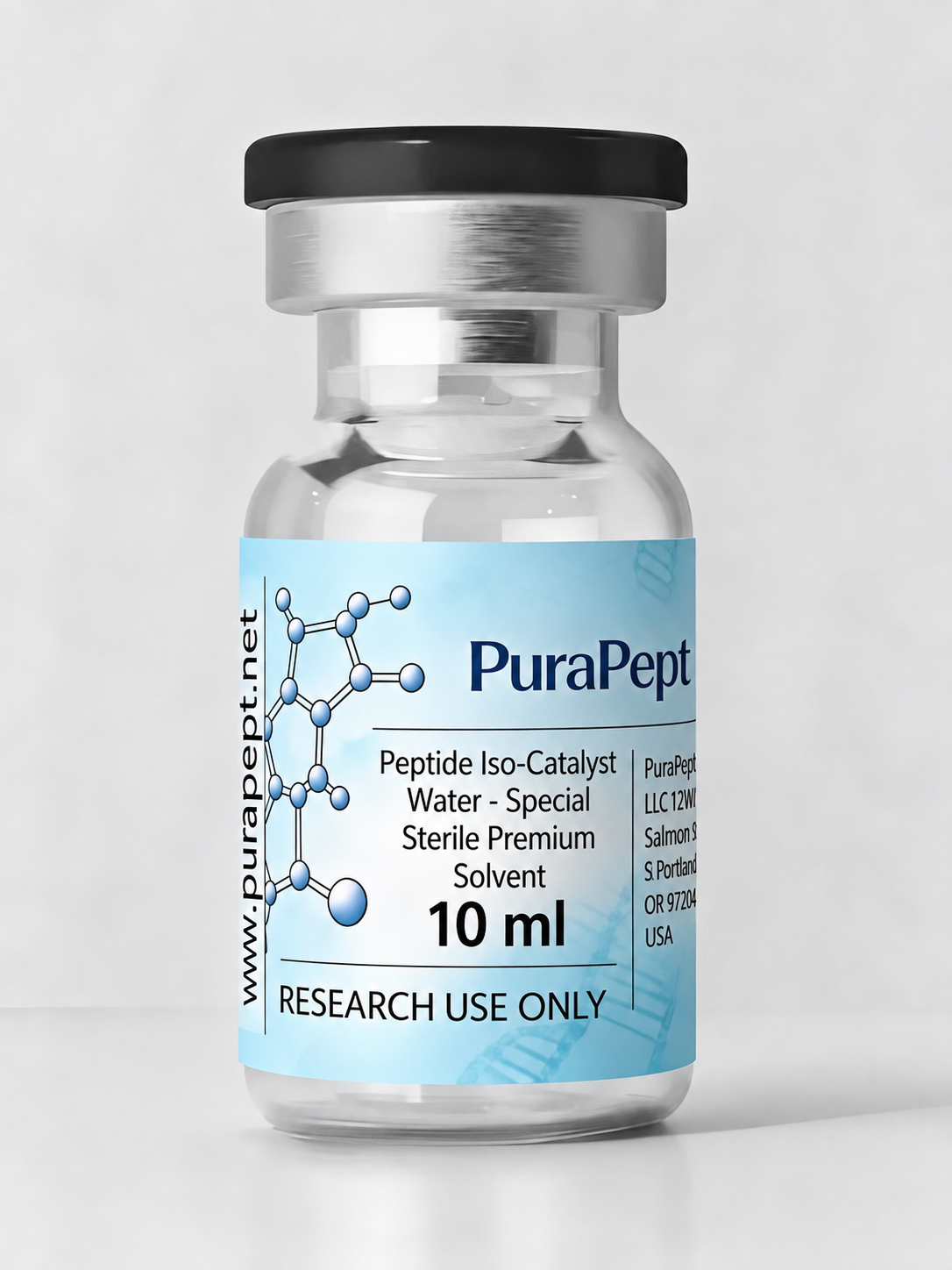 Peptide Iso-Catalyst Water 10 ml
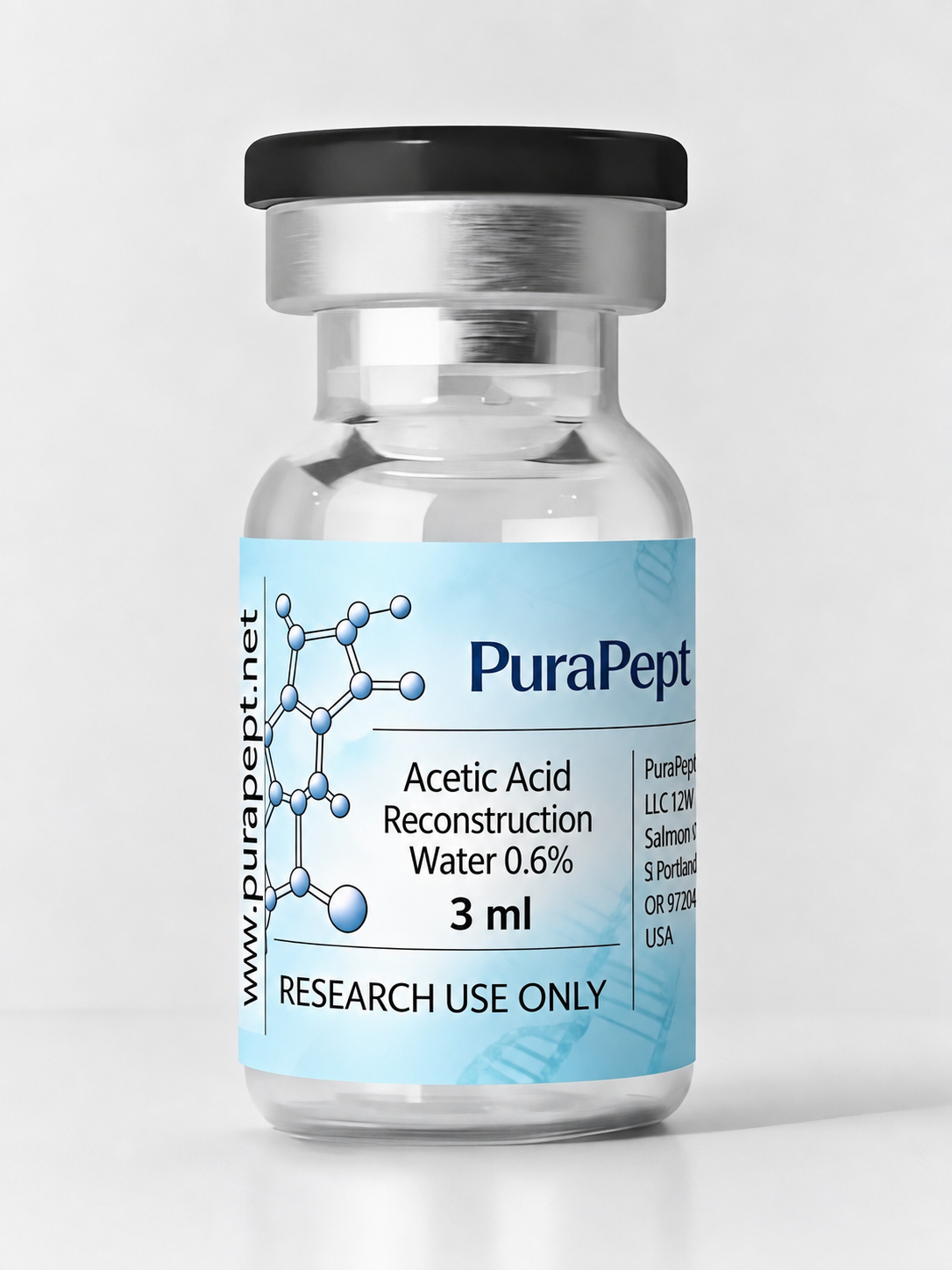
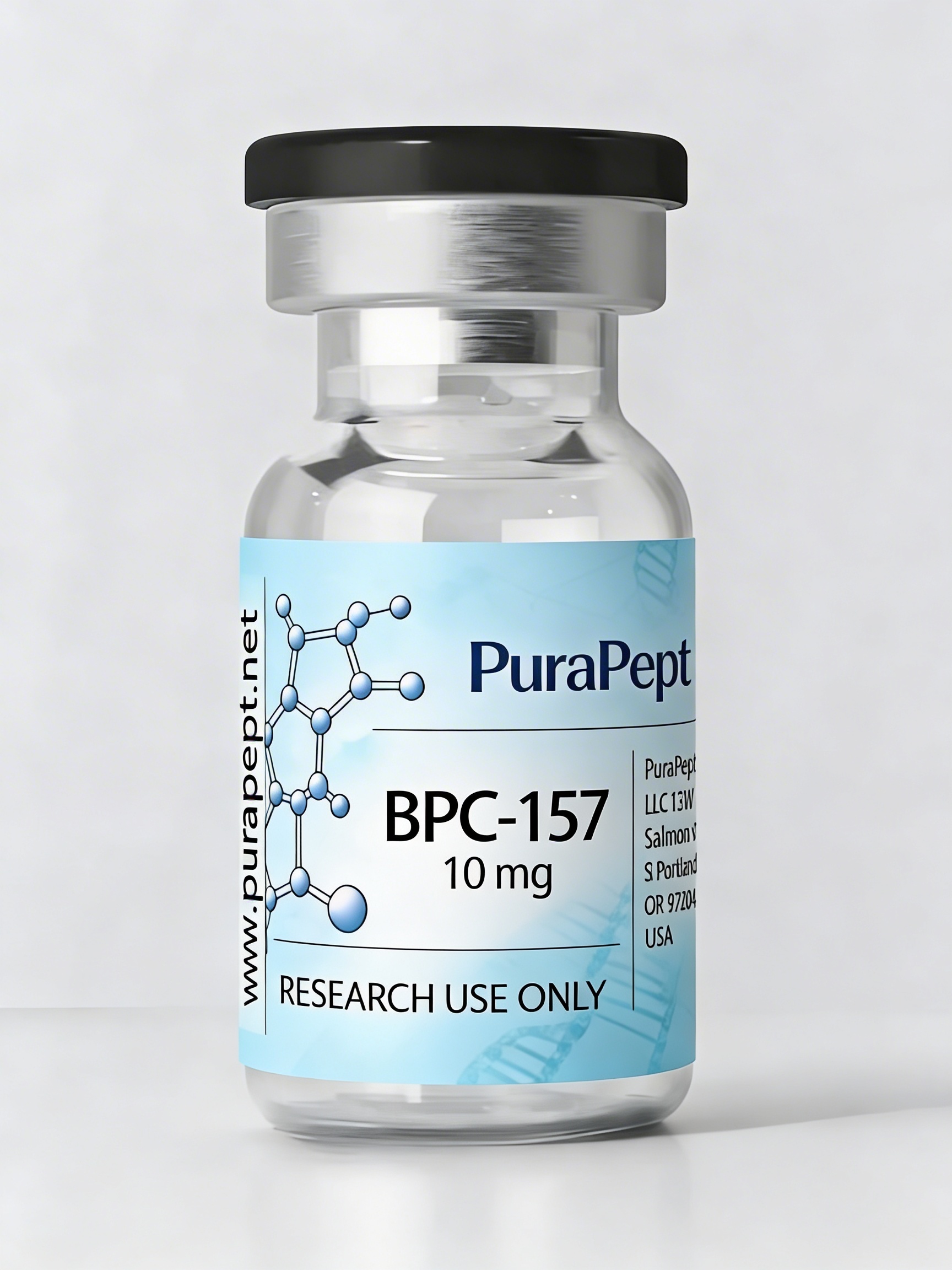
A purity certificate answers a narrower question than most buyers assume. It answers what is in the vial — mass, identity, strength — and it says nothing about what would make a dose unusable if present. That second question is endotoxin, it is measured by a different assay, and it is the reason this catalogue sells the reconstitution solvents separately: Peptide Iso-Catalyst Water, Acetic Acid Reconstruction Water, and the lyophilised peptides they are meant to reconstitute, such as BPC-157.
What endotoxin actually is
The review by Ding and Ho gives the definition in one sentence: Gram-negative bacterial endotoxin, also known as lipopolysaccharide, is found in the outer membrane of Gram-negative bacteria, and it is a biological pyrogen that causes fever when introduced intravenously. During Gram-negative sepsis, endotoxin stimulates host macrophages to release inflammatory cytokines, and “excessive inflammation causes multiple organ failure and death”.
Three consequences follow, and they are all about measurement rather than chemistry. Endotoxin is everywhere, because it is a ubiquitous environmental molecule. It is potent, because trace levels trigger the response. And it is not neutralised by a purity assay, because it is not an impurity of the peptide — it is a contaminant of the manufacturing environment, carried in on water, on components and on surfaces.
The assay, and why it is built out of a clotting cascade
For about thirty years the test has been the limulus amebocyte lysate test, and the biology is elegant: LAL is a cascade of serine proteases triggered by trace endotoxin, culminating in a gel clot. Factor C is the primer of that cascade — in vivo it is the horseshoe crab’s biosensor for a Gram-negative invader, and in vitro it is the thing the assay reads.
Two problems with it have driven the field’s next generation, per the same review: variations in the sensitivity and specificity of LAL to endotoxin, and the dwindling supply of horseshoe crabs. The solution was recombinant Factor C, a 132 kDa proenzyme produced by genetic engineering and induced by trace endotoxin, used in micro-enzymatic end-point assays.
The pharmaceutical-industry adoption data for that replacement is worth reading, because it shows how conservative quality practice is. A 2017 paper from Eli Lilly reports that although recombinant Factor C first became commercially available nearly fifteen years earlier, “the broad use of rFC in pharmaceutical industry has long been lagging, presumably due to historical single-source supplier concerns and the lack of inclusion in worldwide pharmacopeias”. With multiple suppliers now available, the authors report successful validation of several pharmaceutical products by an end-point fluorescence method using rFC, and conclude the method is equivalent or superior to the compendial bacterial endotoxins test — while noting that incorporation into compendial chapters is still desired rather than done.
That is the state of a thirty-year-old quality discipline: technically superseded, administratively not yet.
What the assay detects, and what it does not
The limitation that matters most for a buyer is that the LAL assay is an endotoxin-specific test, not a pyrogen test. Daneshian and colleagues put it precisely: the LAL assay “does not reflect the response of the human immune system to the wide variety of possible pyrogenic contaminations”, and it is limited in sensitivity to extremely low concentrations of pyrogens which, in their sum, result in chronic pathologies in dialysis patients.
Their alternative, the in vitro pyrogen test, uses human whole blood and measures release of the endogenous fever mediator interleukin-1β, with spike-recovery checks to exclude interference. Adapted to water and saline it detects contamination down to 0.1 pg/ml LPS or 0.001 EU/ml. It has been validated in an international study for injectable solutions.
The Nakagawa study of natural-biomaterial wound dressings is the concrete demonstration of why one test is not enough. LAL detected high endotoxin concentrations in extracts from three products, and those extracts evoked fever in rabbits and induced release of the proinflammatory cytokine interleukin-6 from human monocytic cells. The effects disappeared after endotoxin-removal chromatography or with an endotoxin antagonist, confirming the pyrogen was endotoxin — but one extract that was highly pyrogenic to rabbits showed very weak IL-6 induction in human cells, a discrepancy the authors attribute to differences in species sensitivity.
Human relevance and assay result are not the same quantity.
Removal is a separate discipline
The Magalhães review on endotoxin removal from biological preparations catalogues the industrial answer: adsorption, two-phase partitioning, ultrafiltration and chromatography, each with different protein recoveries, with particular attention to two-phase aqueous micellar systems. It notes that endotoxins are “major contaminants found in commercially available proteins or biologically active substances, which often complicate study of the biological effects of the main ingredient” — and that small amounts in recombinant protein preparations can cause side effects including endotoxin shock, tissue injury and even death.
That sentence is the practical warning for research peptides. A preparation can be chemically pure and still produce an effect that has nothing to do with the peptide.
What the data do not show
- No purity certificate in this catalogue is an endotoxin certificate. They answer different questions with different assays.
- No assay result here describes any specific product. The literature cited is about methods and their validation, not about these vials.
- A negative LAL result is not a negative human pyrogen test, as the rabbit-versus-human IL-6 discrepancy shows.
- Endotoxin is not a degradation product. It arrives from the environment, which is why water and handling are part of the quality question.
- Nothing on this page is a handling instruction or medical advice. These are research materials sold as research materials; nothing here is a technique, protocol or recommendation for any person.
References.
- Ding JL, Ho B. Endotoxin detection — from limulus amebocyte lysate to recombinant factor C. Subcell Biochem 2010;53:187-208 (PMID 20593268).
- Bolden J, Smith K. Application of recombinant factor C reagent for the detection of bacterial endotoxins in pharmaceutical products. PDA J Pharm Sci Technol 2017;71(5):405-412 (PMID 28733334).
- Nakagawa Y, Murai T, Hasegawa C, et al. Endotoxin contamination in wound dressings made of natural biomaterials. J Biomed Mater Res B Appl Biomater 2003;66(1):347-355 (PMID 12808594).
- Daneshian M, Wendel A, Hartung T, von Aulock S. High sensitivity pyrogen testing in water and dialysis solutions. J Immunol Methods 2008;336(1):64-70 (PMID 18474369).
- Magalhães PO, Lopes AM, Mazzola PG, et al. Methods of endotoxin removal from biological preparations: a review. J Pharm Pharm Sci 2007;10(3):388-404 (PMID 17727802).