hCG as an ovulation trigger: the Cochrane answer, and the number behind it
The 2014 Cochrane review of ovulation triggers in anovulatory women on clomiphene found exactly two randomised trials, 305 participants, and a live-birth odds ratio of 0.97 with a confidence interval from 0.52 to 1.83 — graded low-quality evidence, with very serious imprecision. Secondary outcomes moved nowhere either. That is the whole randomised record, and it is thin enough that the authors refuse to recommend or refute.
26 October 2026 · 3 min read
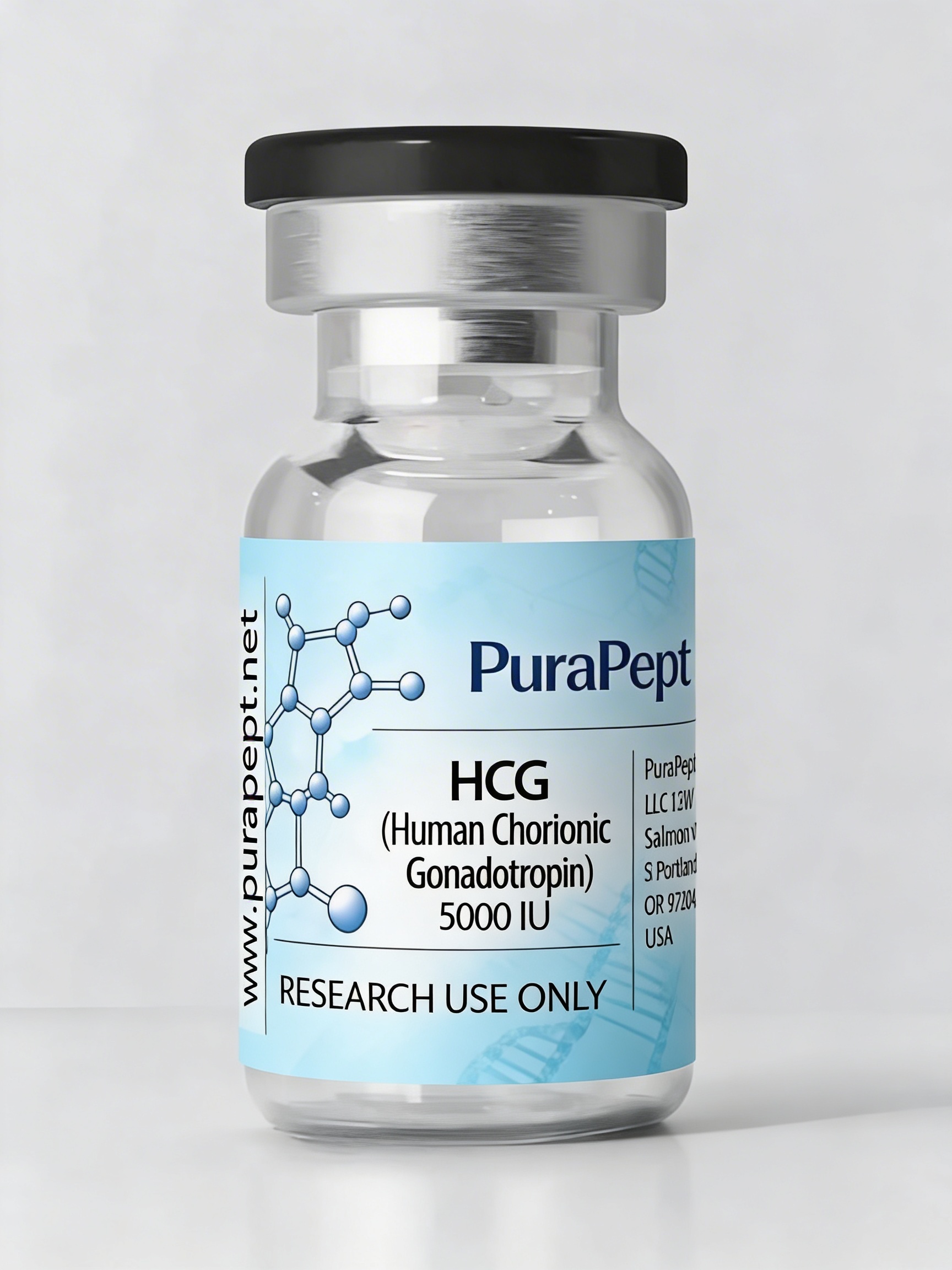 HCG (Human Chorionic Gonadotropin) 5000 IU
Anovulation is a common cause of infertility. Drugs used to treat it include selective oestrogen receptor modulators, aromatase inhibitors and gonadotrophins. Ovulation triggers are used with these drugs in order to time intercourse, acting as a surrogate for the hormonal surge seen in spontaneous menstrual cycles.
The 2014 Cochrane review of that practice is unusually blunt about the state of the evidence, and it is the right place to start, because it counts the trials.
What the review found: two trials, 305 participants
The 2014 update searched to November 2013 across the Cochrane central register, MEDLINE, EMBASE and PsycINFO, plus conference proceedings, trial registries and reference lists, and contacted researchers. It found no new trials over the six years since the 2008 version. The review includes two randomised trials with low risk of bias comparing urinary human chorionic gonadotrophin against no treatment, in anovulatory women receiving clomiphene citrate — 305 participants in total.
On the primary outcome, urinary hCG did not increase live birth rate over no hCG: OR 0.97, 95% CI 0.52 to 1.83; two trials, 305 participants, I² = 16%; low-quality evidence.
The review then adds a sentence that most summaries of this literature leave out: “very serious imprecision around the effect estimate reduces our confidence in the apparent lack of effect of hCG as an ovulation trigger.” That is the authors saying they cannot distinguish a real no-effect from an underpowered trial. The confidence interval spanning 0.52 to 1.83 is what that looks like numerically.
The secondary outcomes move nowhere either
Every secondary outcome in the review is an odds ratio whose confidence interval crosses one.
- Ovulation rate: OR 0.99, 95% CI 0.36 to 2.77; two trials, 305 participants, I² = 55%
- Clinical pregnancy rate: OR 1.02, 95% CI 0.56 to 1.89; two trials, 305 participants, I² = 35%
- Miscarriage rate in pregnant women: OR 1.19, 95% CI 0.17 to 8.23; two trials, 54 participants, I² = 0%
All graded low-quality evidence. The 2008 version reported the same picture with slightly different point estimates — live birth OR 0.98 (0.52 to 1.83), ovulation OR 0.95 (0.49 to 1.83), clinical pregnancy OR 1.02 (0.56 to 1.88), multiple pregnancy OR 0.47 (0.05 to 4.59), miscarriage OR 1.18 (0.18 to 7.66), preterm delivery OR 0.12 (0.00 to 6.29) — and concluded there was inadequate evidence to recommend or refute the use of urinary hCG as an ovulation trigger.
Multiple pregnancies and preterm deliveries were uncommon, and ovarian hyperstimulation syndrome, adverse events and deaths were not reported as outcomes in either trial.
What this means for the compound on this shelf
hCG on this site is the 5000 IU chorionic gonadotrophin presentation, and it is sold for reasons that sit on the other side of this literature from the trigger question. This review asked a narrow question — does adding a urinary hCG trigger to clomiphene cycles improve the chance of a live birth — and the answer is that two trials could not tell.
What the review does establish is structural, and it is worth stating plainly: the randomised evidence base for hCG as a trigger in anovulatory women is two trials in 305 people, unchanged between 2008 and 2014, with no new trials found on a search to November 2013.
What the data do not show
They do not show that hCG as a trigger improves live birth. The primary outcome is OR 0.97 with a confidence interval from 0.52 to 1.83.
They do not show that it does not work either. The review’s own words are that very serious imprecision reduces confidence in the apparent lack of effect.
They do not show a meaningful change in ovulation rate, clinical pregnancy rate or miscarriage rate. All three confidence intervals cross one.
They do not show a safety comparison. Ovarian hyperstimulation syndrome, adverse events and deaths were not reported as outcomes in either trial.
They do not show anything about hCG outside clomiphene cycles. The review states it found no trials evaluating triggers in anovulatory women treated with other ovulation-inducing agents.
Where this sits on the shelf
The compound as supplied by the manufacturer: the 5000 IU hCG presentation
What we supply
The hCG preparation above, as supplied by the manufacturer, tracked, from inside the EU.
Research use only. This page summarises published studies for research reference. It is not medical advice, not a protocol, and not a suggestion for human use. Nothing we supply is for human or veterinary use.
References.
- George K, Kamath MS, Nair R, Tharyan P. Ovulation triggers in anovulatory women undergoing ovulation induction. Cochrane Database Syst Rev 2014 Jan 31;2014(1):CD006900.
- George K, Nair R, Tharyan P. Ovulation triggers in anovulatory women undergoing ovulation induction. Cochrane Database Syst Rev 2008 Jul 16;(3):CD006900.