Melatonin: the dose-response meta-analysis, and where it stops
Across 26 randomised trials and 1,689 observations, melatonin's effect on sleep-onset latency peaks at 4 mg/day and at three hours before bed — not at the doses usually sold. In adults with chronic insomnia, a separate meta-analysis found no significant effect on latency, total sleep time or efficiency at all.
3 November 2026 · 4 min read
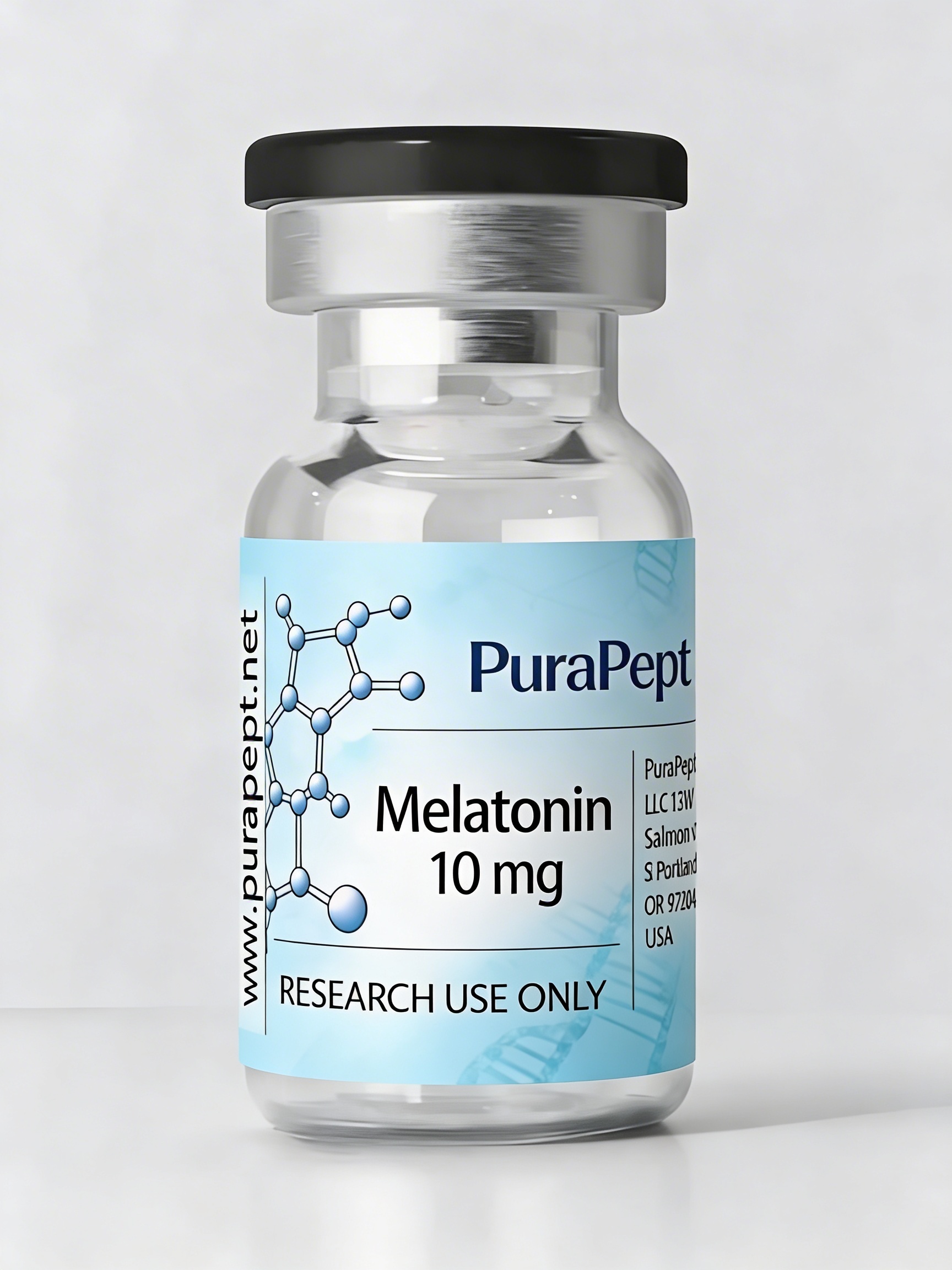 Melatonin 10 mg
Melatonin is the most bought sleep product in the world and one of the best-studied, and the reason is not marketing luck: the dose-response curve has actually been worked out across randomised trials. That analysis also produces a result that sits awkwardly with the strength of the products on sale. The item on this page is Melatonin 10 mg — ten milligrams, five times the milligram figure the pooled analysis points to as the peak.
What the dose-response analysis found
The 2024 systematic review and dose-response meta-analysis by Cruz-Sanabria and colleagues in the Journal of Pineal Research is the paper to read first, because it starts from the observation everyone else skips: previous studies reported inconsistent results on exogenous melatonin’s sleep effects, and a plausible explanation is heterogeneity in administration schedule and dose.
The review included 26 randomised controlled trials published between 1987 and 2020, for a total of 1,689 observations, across patients with insomnia and healthy volunteers, using standardised mean differences in sleep onset latency and total sleep time.
Three findings, each with its number attached:
- Dose-response analysis showed melatonin gradually reduces sleep onset latency and increases total sleep time, peaking at 4 mg/day.
- Meta-regression found insomnia status (β = 0.50, p < 0.001) and the time between administration and the sleep episode (β = −0.16, p = 0.023) were significant predictors of sleep onset latency.
- Time of day (β = −0.086, p < 0.01) was the only significant predictor of total sleep time.
The authors draw a direct conclusion about what differs from routine practice: advancing administration to about three hours before the desired bedtime and increasing the dose to 4 mg/day, compared with “the exogenous melatonin schedule most used in clinical practice (2 mg 30 min before the desired bedtime)”, might optimise efficacy.
The curve peaks and then flattens. A 10 mg product is not “stronger melatonin” within this framework; it is past the top of the modelled curve, in territory the pooled trials do not describe well.
Where the effect disappears: adults with chronic insomnia
The second paper is the one to read before anyone says melatonin treats insomnia. Choi and colleagues’ 2022 systematic review in Sleep Medicine Reviews searched Ovid-MEDLINE, EMBASE and the Cochrane Library to November 2020 and identified 24 randomised controlled trials of chronic insomnia, all against placebo, examining sleep onset latency, total sleep time, sleep efficiency, sleep quality and quality of life.
Their conclusion, stated in the abstract, is close to the opposite of the marketing:
- In non-comorbid insomnia, melatonin was significantly effective only in sleep onset latency and total sleep time, and only in children and adolescents.
- In adults, melatonin was not significantly effective in improving sleep onset latency, total sleep time, or sleep efficiency.
- In comorbid insomnia, it improved sleep onset latency in all age groups, but there was only one such study in adults.
“In conclusion, melatonin did not appear to be effective in adults but might be effective in children and adolescents with chronic insomnia.”
That is an aggregate of 24 placebo-controlled trials, and it is the correct summary of the adult insomnia evidence.
What the field treats insomnia with instead
The American Academy of Sleep Medicine’s own systematic review for chronic insomnia disorder in adults, published in the Journal of Clinical Sleep Medicine in 2021, screened 1,244 studies, of which 124 met inclusion criteria and 89 provided analysable data. It graded the evidence for cognitive-behavioural therapy for insomnia, brief therapies, stimulus control, sleep restriction therapy, relaxation training, sleep hygiene, biofeedback, paradoxical intention, intensive sleep retraining and mindfulness.
The evidence base that guideline rests on is behavioural, not pharmacological. One of its authors discloses serving as a consultant to a company for melatonin in 2018, which is worth knowing when reading any comparison between the two.
Two populations where the mechanism is different
Children with neurodevelopmental conditions. Sleep disturbances are extremely common in autistic children and adolescents — the French review from 2022 puts the range at 40–86 % — and point to a significant decrease in melatonin synthesis in people with autism spectrum disorder, though the causal factors remain largely unknown. That review describes treatment as graduated: non-pharmacological first, pharmacological second.
Shift work and circadian misalignment. The 2022 review by Boivin and colleagues shows that the circadian system resists adaptation to a day-to-night schedule, with a lack of substantial phase shifts over multiple days in centrally controlled rhythms such as melatonin and cortisol. After several days living at night, most rhythmic transcripts in the human genome remain adjusted to a day-oriented schedule with dampened amplitudes, while metabolomics shows most metabolites shift by several hours — a misalignment between metabolism and clock. Melatonin in that setting is a signal about timing, not a sedative.
What the data do not show
- Melatonin has no demonstrated effect on insomnia in adults. Twenty-four placebo-controlled trials say so. It is not an adult insomnia treatment on this evidence.
- The pooled peak is 4 mg/day. A 10 mg product sits past the top of the modelled curve; no trial in the 26-RCT pool establishes what 10 mg buys.
- Timing may matter more than dose. The significant predictor of sleep onset latency was the gap between taking it and going to bed — about three hours in the authors’ reading.
- None of this is advice. The milligram figures are the regimens those studies ran. Everything supplied here is a research material, and nothing on this page recommends a dose, a schedule or a product to any person.
For the other sleep compound with a real human trial record, see our page on DSIP and the controlled trial that was negative.
References.
- Cruz-Sanabria F, Bruno S, Crippa A, et al. Optimizing the time and dose of melatonin as a sleep-promoting drug: a systematic review of randomized controlled trials and dose-response meta-analysis. J Pineal Res 2024;76(5):e12985 (PMID 38888087).
- Choi K, Lee YJ, Park S, Je NK, Suh HS. Efficacy of melatonin for chronic insomnia: systematic reviews and meta-analyses. Sleep Med Rev 2022;66:101692 (PMID 36179487).
- Edinger JD, Arnedt JT, Bertisch SM, et al. Behavioral and psychological treatments for chronic insomnia disorder in adults: an American Academy of Sleep Medicine systematic review, meta-analysis, and GRADE assessment. J Clin Sleep Med 2021;17(2):263-298 (PMID 33164741).
- Boivin DB, Boudreau P, Kosmadopoulos A. Disturbance of the circadian system in shift work and its health impact. J Biol Rhythms 2022;37(1):3-28 (PMID 34969316).
- Schröder CM, Broquère MA, Claustrat B, et al. Therapeutic approaches for sleep and rhythms disorders in children with ASD. Encephale 2022;48(3):294-303 (PMID 35120753).