BPC-157 vs TB-500: two different peptides, one shelf, and an evidence base that stops at animals
They are not two versions of one thing. BPC-157 is a fifteen-residue gastric peptide; TB-500 is a trade name the literature uses inconsistently for thymosin beta-4 or a fragment of it. Here is what the naming means and what the comparative evidence actually contains.
30 September 2026 · 4 min read
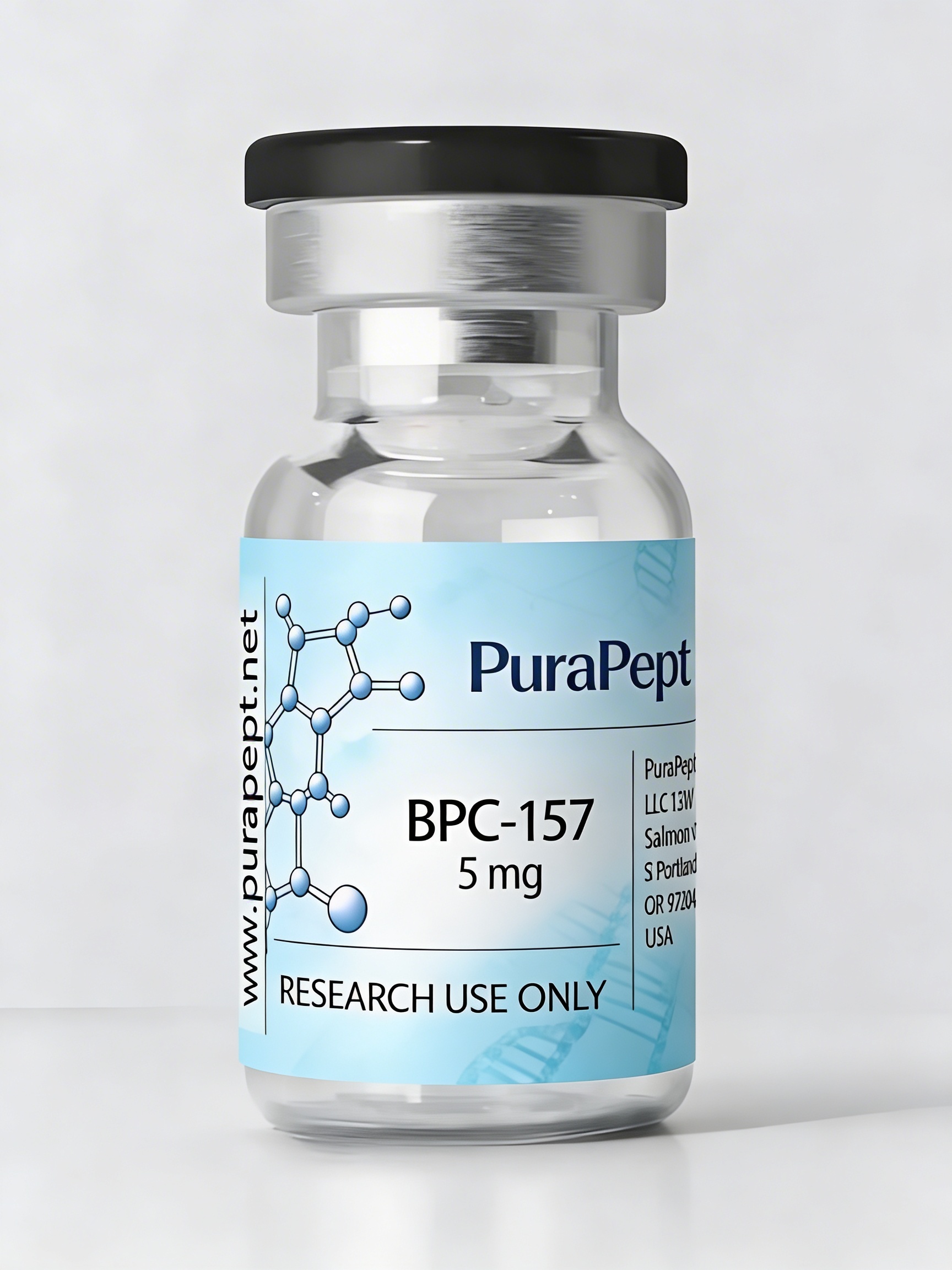
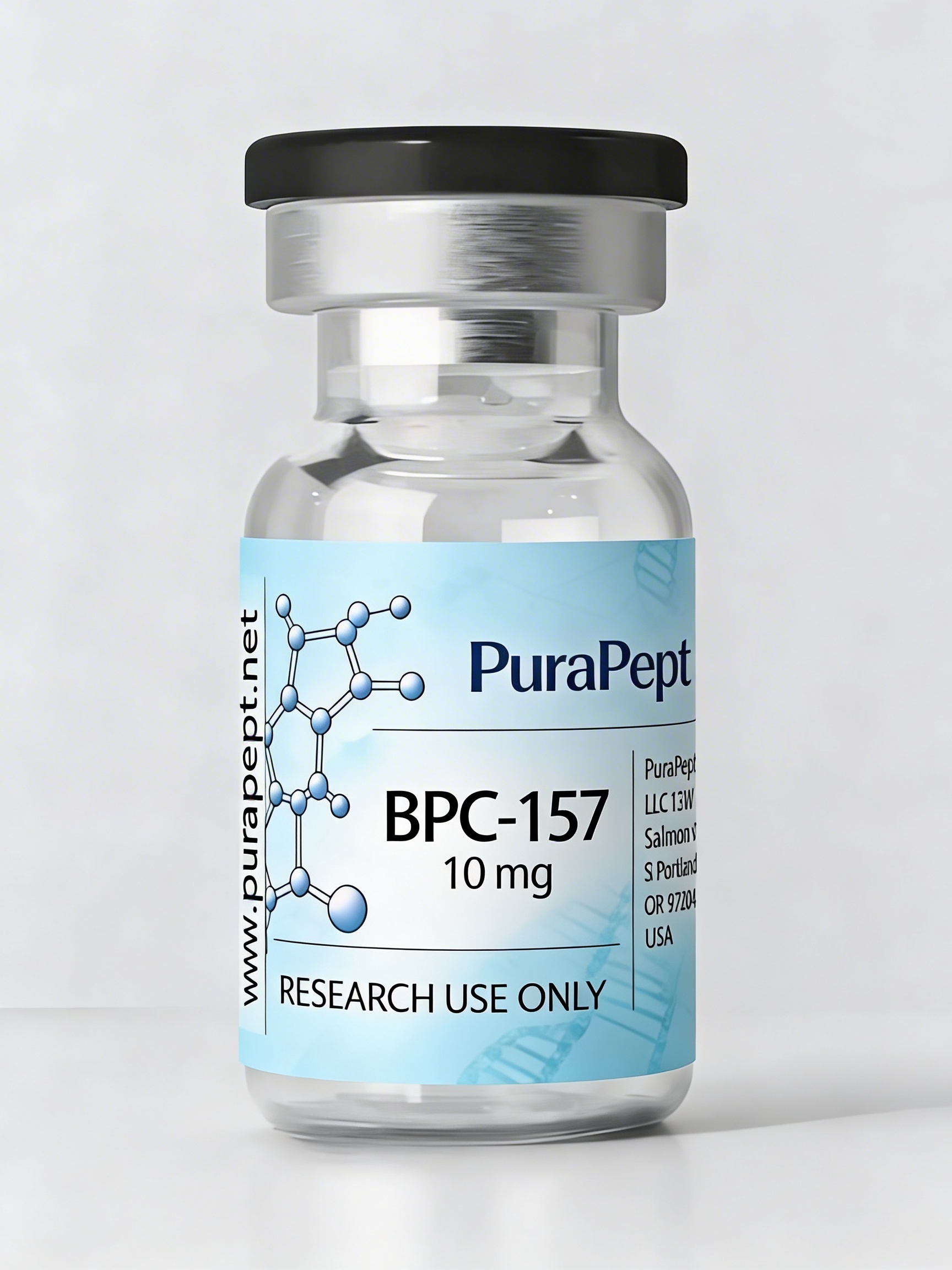 BPC-157 10 mg
A “vs” page normally wants to crown a winner. This one will not, and the reason is the interesting part: once you check what the two names actually denote, it stops being a comparison of two ways to get the same effect and becomes a comparison of two unrelated peptides whose evidence bases have almost nothing in common.
What the two names denote
BPC-157 is unambiguous. It is a fifteen-residue peptide — the literature’s own term for it is “stable gastric pentadecapeptide BPC 157” — and it is consistently described across the peer-reviewed record under that one name. Its earliest published work in this space goes back decades: a 1996 study in Digestive Diseases and Sciences tested it in rats with bile duct ligation-induced acute pancreatitis, reporting a strong protective effect in the pretreatment regimen and a consistently salutary effect when given after severe acute pancreatitis was established, with less necrosis, oedema and neutrophils in treated animals alongside beneficial effects on concomitant gastric and duodenal lesions (Sikirić et al., PMID 8689934).
TB-500 is the opposite. It is a trade name, and the peer-reviewed literature does not agree on what it points at. A 2026 scoping review in the American Journal of Sports Medicine searched PubMed across six emerging peptides and consistently wrote “thymosin beta-4 or TB-500”, treating the two as labels for one compound. A separate 2026 review in Sports Medicine, covering a comparable set of peptides, listed them as two different entries — Tβ4 (thymosin beta-4) and “TB-500 (thymosin beta-4 fragment)” (Mendias and Awan, PMID 41966639). Same year, two reputable reviews, two readings.
What is not in dispute is what thymosin beta-4 itself is. Beta-thymosins are a family of highly conserved polar peptides of about 5 kDa, present at high concentration in almost every cell, originally thought to be thymic hormones; thymosin beta-4 is their principal intracellular G-actin sequestering member, binding monomeric actin in a 1:1 complex and acting as an actin buffer (Huff et al., PMID 11311852). A roughly 5 kDa peptide family member and a fifteen-residue gastric peptide are not the same molecule, and no amount of marketing makes them interchangeable. If a catalogue sells a vial under the name TB-500, the only thing that identifies its contents is the documentation for that vial — see how peptide purity is measured for how a mass measurement settles it, and third-party testing for what such a report would have to say.
The catalogue on this page
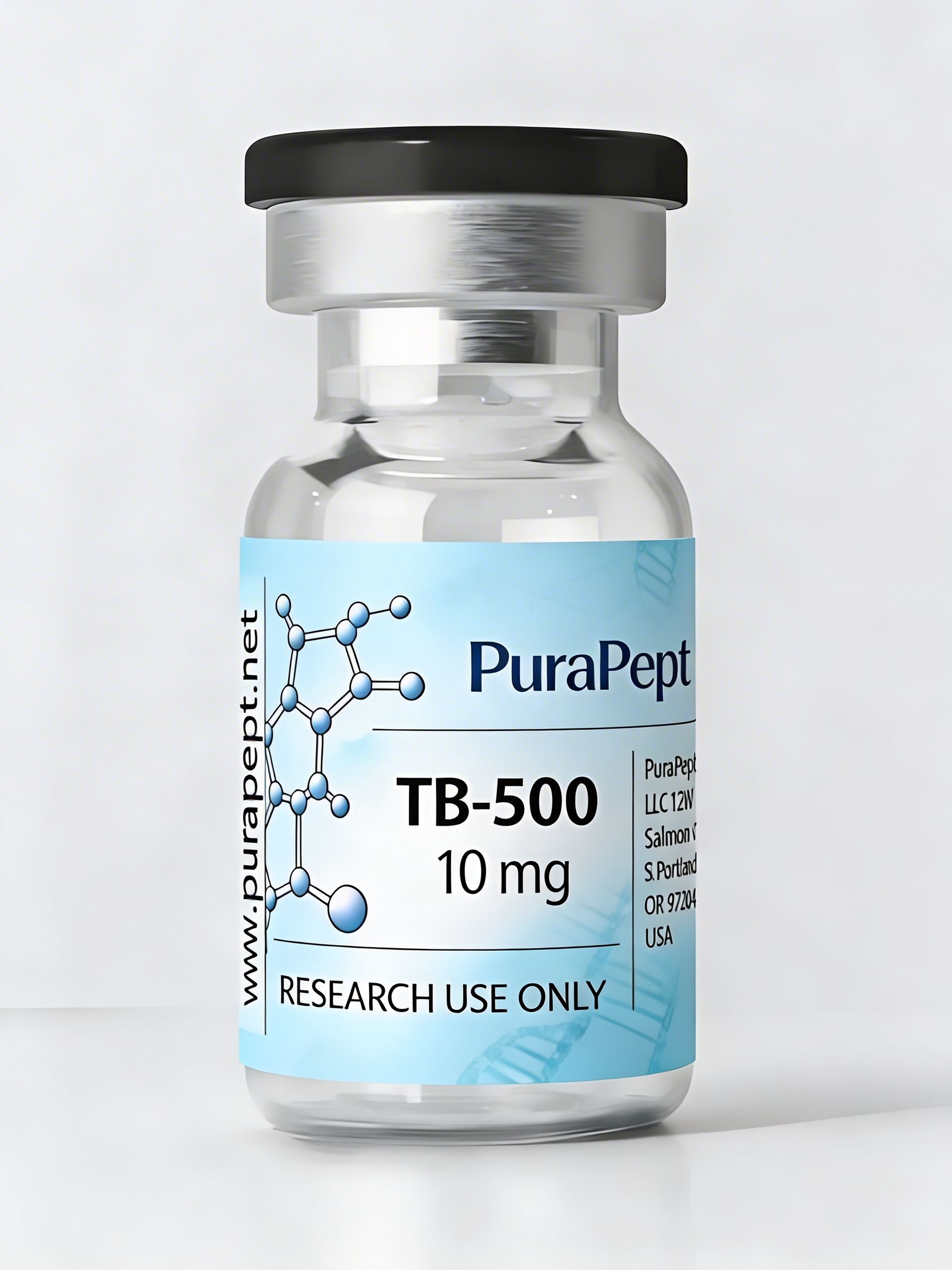
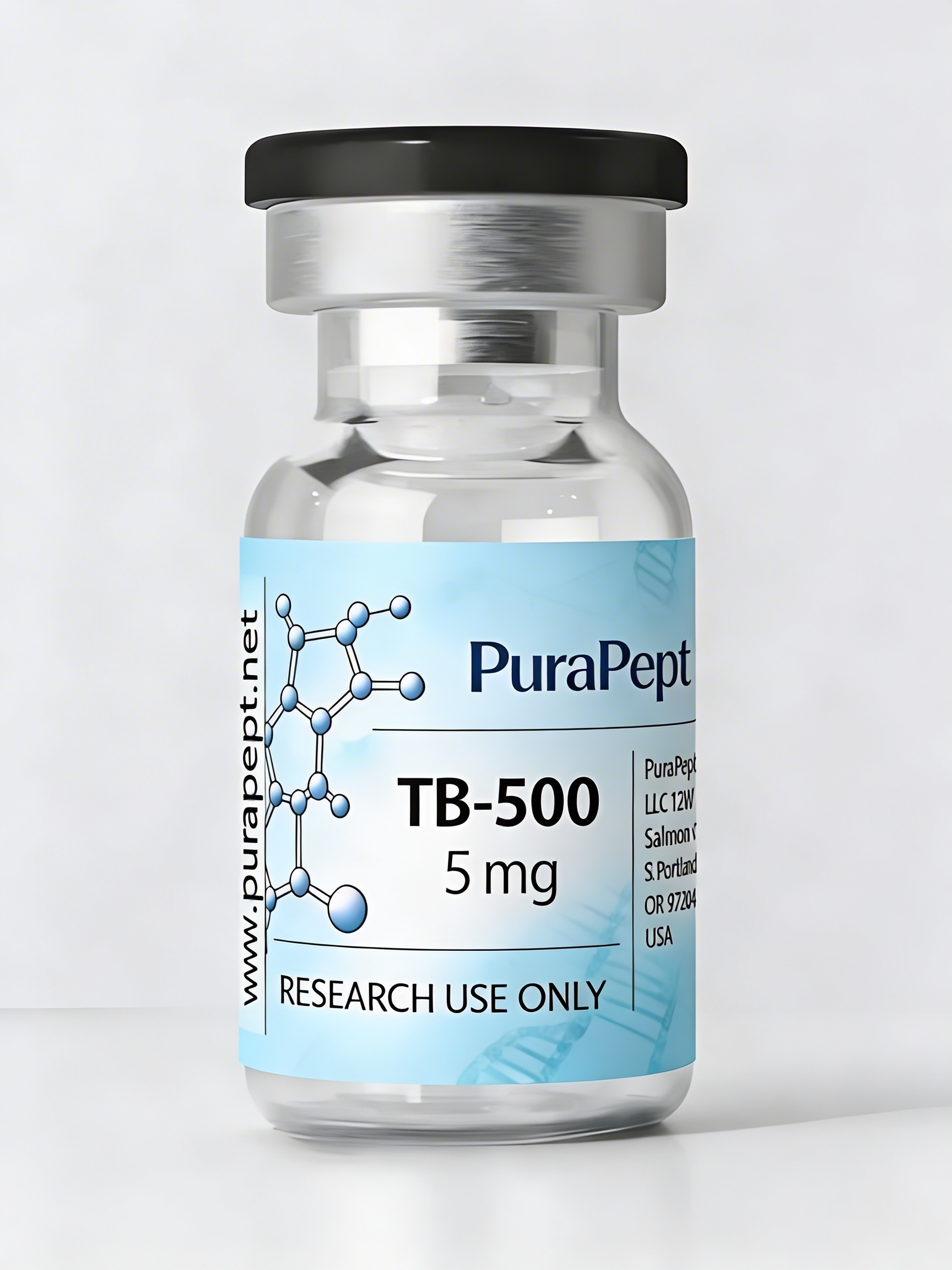
Four public lines, two compounds: BPC-157 in 10 mg and 5 mg, and TB-500 in 10 mg and 5 mg. The amounts differ; the compounds do not overlap. A multi-ingredient blend that contains both, such as the KLOW line, is a third thing again — a mixture cannot attribute an effect to one ingredient, so it belongs to neither side of this comparison.
What the evidence contains, side by side
The single most useful comparative source is the 2026 scoping review, because it surveyed both compounds under one protocol. Its findings: overall, 67 % of the identified publications used preclinical animal models; in animal models, most commonly rats, each compound demonstrated unique mechanisms with promising but variable effects on tendon, muscle, bone and ligament healing; human clinical studies were limited to a handful of investigations, most lacking robust controls or rigorous study designs; the human data that did exist were heterogeneous and revealed modest improvements at best, for metabolic bone health and degenerative knee pain. Its conclusion was that despite promising findings in animal studies, the claimed benefits of these emerging peptide supplements for musculoskeletal recovery and performance remain unsubstantiated by current human trials.
BPC-157’s own literature is deeper but narrower, and the depth has a shape. A 2019 review in Cell and Tissue Research states that the majority of studies have been performed in small rodent models and that efficacy is yet to be confirmed in humans, and notes that over the preceding two decades only a handful of research groups have performed in-depth studies of this peptide (Gwyer et al., PMID 30915550). The rest of the record comes largely from that same group, and it is advocacy-shaped: the wound-healing review by Seiwerth and colleagues reports curing cutaneous and gastrointestinal-tissue wounds in rats and concludes that BPC 157 rapidly increases various gene expression in rat excision skin wound. That is a described rat finding, and it is also the abstract of a research programme rather than an independent replication of one.
What no comparison on this page will supply: a head-to-head human trial of BPC-157 against thymosin beta-4 or TB-500 does not exist, and neither compound has a human efficacy record that would make such a trial’s outcome predictable. Ranking them would be a category error, so the ranking is left out.
What the data do not show
They do not show that either compound heals anything in people. They do not show that one is stronger, faster or better tolerated than the other, because nothing in the cited record compares them on any outcome in humans. They do not resolve what TB-500 denotes on any given vial — that is a question about a specific label and its batch documentation, not about the literature. And they do not say anything about the purity, identity or content of any product sold on this site; the numbers on these pages are facts about published papers about compounds, and the store prints no analytical figure it has not measured.
Research use only. This page summarises published literature for research reference. It is not medical advice, not a recommendation for the use of either compound, and not a suggestion for human use. Nothing we supply is for human or veterinary use.
References.
- Tewari K, Liu TP, Im C, Hamad C, Petrigliano F, Cheung EC, et al. Peptide supplements and their therapeutic applications in sports medicine. Am J Sports Med 2026. PubMed record (PMID 42578445).
- Mendias CL, Awan TM. Safety and efficacy of approved and unapproved peptide therapies for musculoskeletal injuries and athletic performance. Sports Med 2026;56(8):1921-1935. PubMed record (PMID 41966639).
- Huff T, Müller CS, Otto AM, Netzker R, Hannappel E. Beta-thymosins, small acidic peptides with multiple functions. Int J Biochem Cell Biol 2001;33(3):205-220. PubMed record (PMID 11311852).
- Gwyer D, Wragg NM, Wilson SL. Gastric pentadecapeptide body protection compound BPC 157 and its role in accelerating musculoskeletal soft tissue healing. Cell Tissue Res 2019;377(2):153-159. PubMed record (PMID 30915550).
- Seiwerth S, Milavic M, Vukojevic J, Gojkovic S, Krezic I, Vuletic LB, et al. Stable gastric pentadecapeptide BPC 157 and wound healing. Front Pharmacol 2021;12:627533. PubMed record (PMID 34267654).
- Sikirić P, Seiwerth S, Grabarević Z, Rucman R, Petek M, Jagić V, et al. Salutary and prophylactic effect of pentadecapeptide BPC 157 on acute pancreatitis and concomitant gastroduodenal lesions in rats. Dig Dis Sci 1996;41(7):1518-1526. PubMed record (PMID 8689934).